The Collaborative Dental Clinic
How notes sharing saves time, builds relationships, and improves patient outcomes.
Introduction
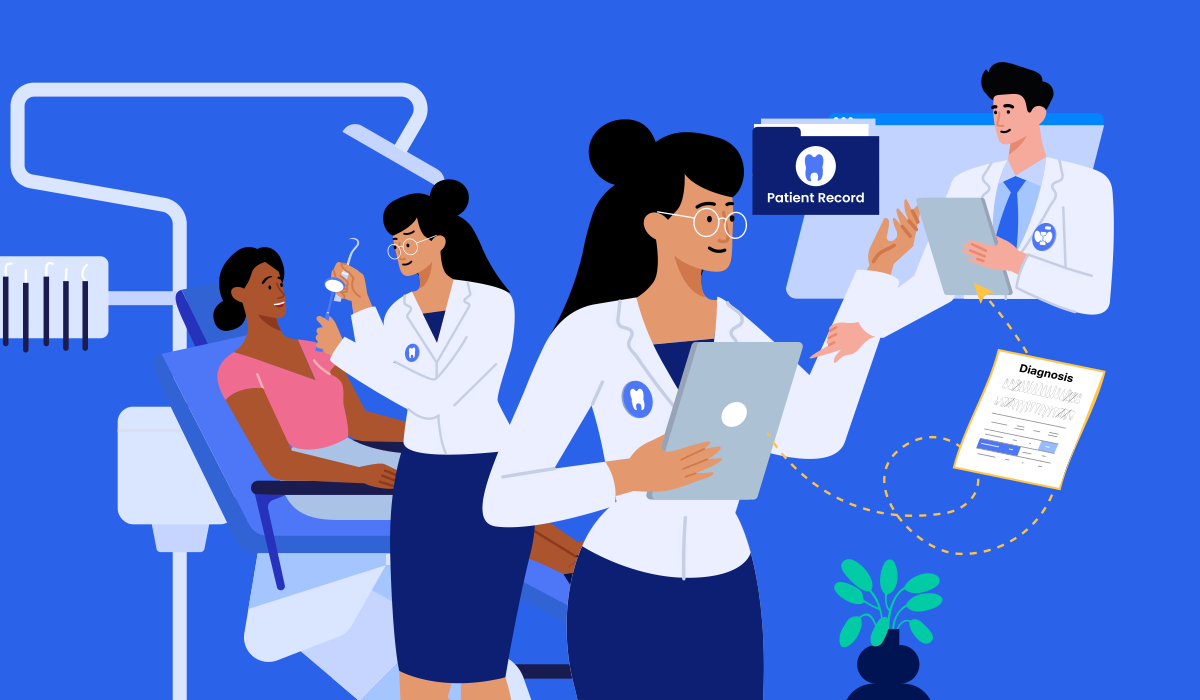
Plato was born from the idea of bringing tried-and-tested tech innovation to healthcare—and this remains our mission today. In Plato’s experience, dentists have often been early adopters of new IT processes in healthcare: they were the first to make online appointment booking integral to their practice, they pioneered automating patient relationship management with recalls, and embraced automation at the front desk.
Plato sees the next growth frontier as being collaboration. Collaborative technologies are now ubiquitous outside of healthcare. In almost every industry, software is driving collaboration and improving communication—from Google Workspace allowing teams to collaborate on documents, to Microsoft 365 moving physical offices to the secure cloud. Software has improved how people work.
Likewise, collaboration can drive major improvements in dental care. First, dentists can strengthen their community ties by empowering patients and caregivers to achieve improved outcomes. Oral care isn’t always as straightforward as daily brushing and flossing. Where complex treatments like braces are involved, patients and caregivers can easily forget or misremember care steps. Shared notes remind patients and caregivers of their dentist’s knowledge and expertise, which helps them stay adherent to their care plan. For dentists looking to build a community around their practice—shared notes will help.
Second, shared notes strengthens the dentist’s role as a primary care provider. Former Surgeon General C. Everett Koop famously said, “You’re not healthy without good oral health.” Yet medical and dental care continue to remain largely siloed, despite the fact that general dentistry is primary care.
Time and again, studies have found that dentists play a key role in not only identifying, and referring, patients suspected of having chronic diseases like diabetes or hypertension, but also preventing their patients’ oral health from exacerbating their general health, and vice versa. Let’s say your patient has chronic gum disease—this could be an indicator of cardiovascular disease. You decide to refer them to a cardiologist for further evaluation. With shared notes, you can securely share key data with your colleague, without leaving your dental EMR. Instead of copy-pasting your notes into the referral letter, securely share select folders in a few clicks. Your colleague instantly receives vital data regarding shared care for your patient, regardless whether they use Plato.
Curious about shared notes? This white paper will show you:
- Why you should share notes with providers, patients and caregivers
- How you can securely share notes using Plato
- Best practices for managing shared notes at your clinic
Plato is more than a clinic management software. Plato is the Operating System for your clinic—the core platform around which all your clinic’s operations revolve. With note sharing, Plato has expanded its scope for automating work to include every stage of the patient journey, including post-visit collaboration in care. This is why thousands of practices across Singapore, Malaysia and Hong Kong trust Plato as their Clinic’s Operating System.
Table of Contents
CHAPTER 1
Rise of Shared Notes
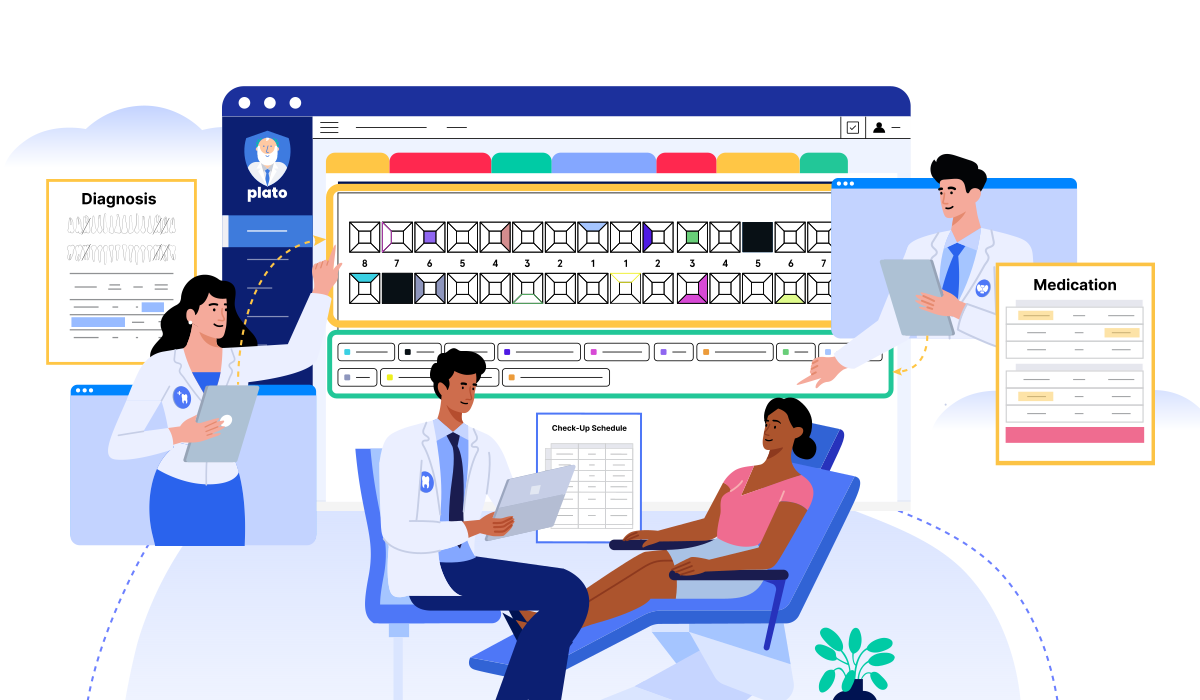
For years there’s been “The Dental-Medical Divide” (Mertz, 2016), where patients’ dental and medical records exist independently. As evidence grows over the link between oral health and systemic diseases (Bartold, 2012; Din & Powell, 2008; J. Patel et al., 2018), more providers are seeing the value of collaborating in oral and medical care (Simon, 2016). In the past, data was locked in paper records, which made it difficult for providers to share data, thereby hindering collaboration. Thankfully, software was able to simplify how providers work together by enabling them to share key data easily. With the rise of the Electronic Medical Record (EMR), researchers have been able to study the effects of dentist-doctor collaboration by sharing notes using the EMR. At the same time, the rise of the global OpenNotes movement has further promoted notes sharing between clinicians, patients and caregivers.
-
1891
Oral Health-General Health Link was Reported
Dr Willoughy D. Miller discussed the connection between bacteria in the human mouth and disease causation in his early 1891 report titled, “The Human Mouth as a Focus of Infection”. His report included a list of cases in which serious complications had emerged from diseased teeth or operations in the mouth (Miller, 1891). In the following years, more studies would emerge on this topic, including the connection between oral health and chronic conditions such as diabetes and heart disease (Barnett, 2006).
-
1973
The Idea of Note Sharing was Published
While researchers continued to study the oral health-systemic disease connection, another idea was brewing in healthcare—one that would help ease collaboration between providers and empower patients in care. In 1973, the notion of giving patients access to their notes was published in the New England Journal of Medicine. In the article titled, “Giving the Patient His Medical Record: A Proposal to Improve the System”, authors Shenkin and Warner discussed how note sharing could benefit healthcare in four major ways: sustain high quality of care; improve clinician-patient relations; maintain continuity of care; and avoid unneeded bureaucracy.
-
2008 to 2021
Rise in Research on Dentist-Doctor Notes Sharing
In the last decade, there’s been an increase in research on the effects of improved collaboration and data sharing between dentists and doctors (Chaudhry et al., 2016; Din & Powell, 2008;; St. Sauver et al., 2017; Tenuta et al., 2021). Three major benefits that result when dentists and doctors share data to improve collaboration are (Rudman et al., 2010):
- Enhanced patient safety;
- Improved clinical decision making; and
- Better patient outcomes.
-
2010
OpenNotes Movement was Born
OpenNotes was started in 2010 by Tom Delbanco, MD, and Jan Walker, RN, MBA, from Beth Israel Deaconess Medical Center and Harvard Medical School. Delbanco, aka the “Father of OpenNotes”, had received a grant to conduct an experiment where patients were given access to their notes via electronic portals. This marked the start of OpenNotes and its pilot study, “Inviting Patients to Read Their Doctors' Notes: A Quasi-experimental Study and a Look Ahead”. Results from the study were largely positive: most patients reported clinical-related benefits, such as feeling more in control of their care and better medicine adherence. At the end of the study, almost all patients wanted to continue shared notes. The majority of primary care providers also agreed that sharing notes with their patients online was a good idea.
-
2021
CHAPTER 2
Why Introduce Note Sharing?
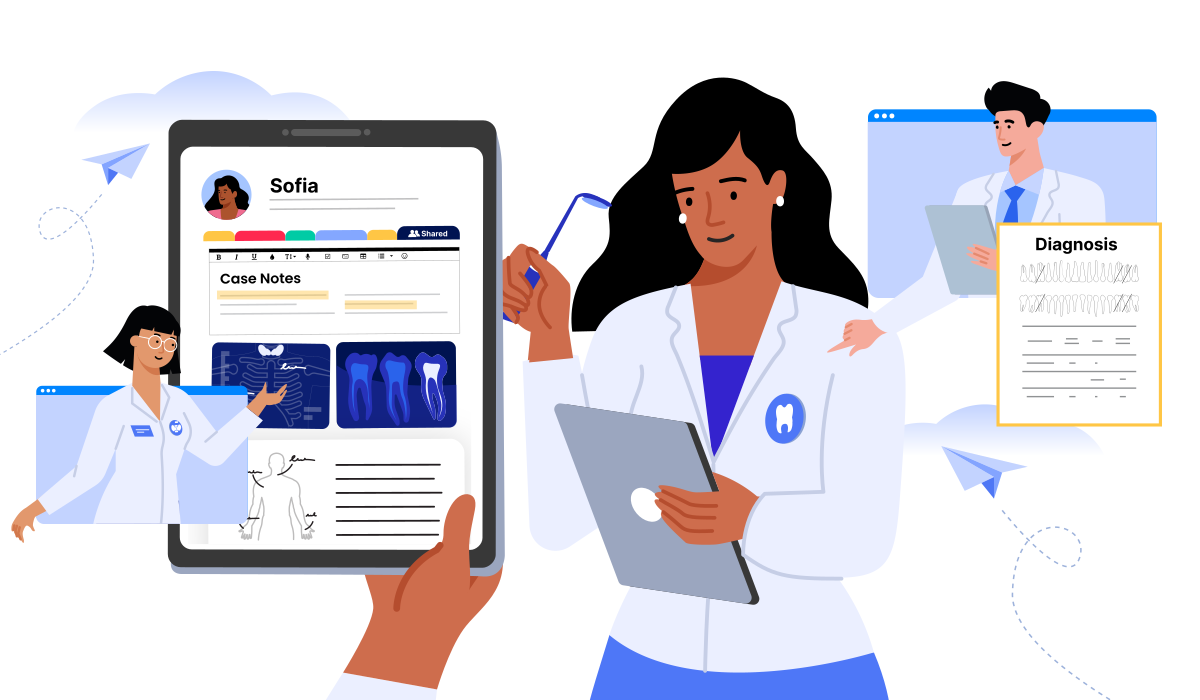
A core part of Plato’s mission is to bring tried-and-tested tech innovation to healthcare. Over the years, Plato often saw dentists as early adopters of improved IT processes introduced to the platform. Dentists were the first to make online appointment booking indispensable to their patient experience, used automated recalls to strengthen patient loyalty, and were some of the initial adopters of the automated front desk. Now that dental providers can focus on what truly matters—their patients—what’s next?
Plato sees the subsequent growth frontier in collaboration. Outside of healthcare, collaborative tech is already prevalent in nearly every industry. Collaborative tech has revolutionised the way people work for the better; it minimises repetitive tasks, improves communication, and drives efficiency.
Now, collaborative tech is poised to improve dental care. Collaborative tech makes it easier for dentists to deliver general dental care as part of primary care and build loyal ties within their community. Collaboration in care is currently clunky: dentists and nurses must leave their EMR to write letters and emails to other healthcare providers, caregivers, and patients. Plato allows collaboration by letting you securely share select folders, directly from your dental EMR. Plato is more than a clinic platform—it’s your clinic’s Operating System, driving automation across every patient journey at your practice.
Collaboration is Inevitable and Impactful
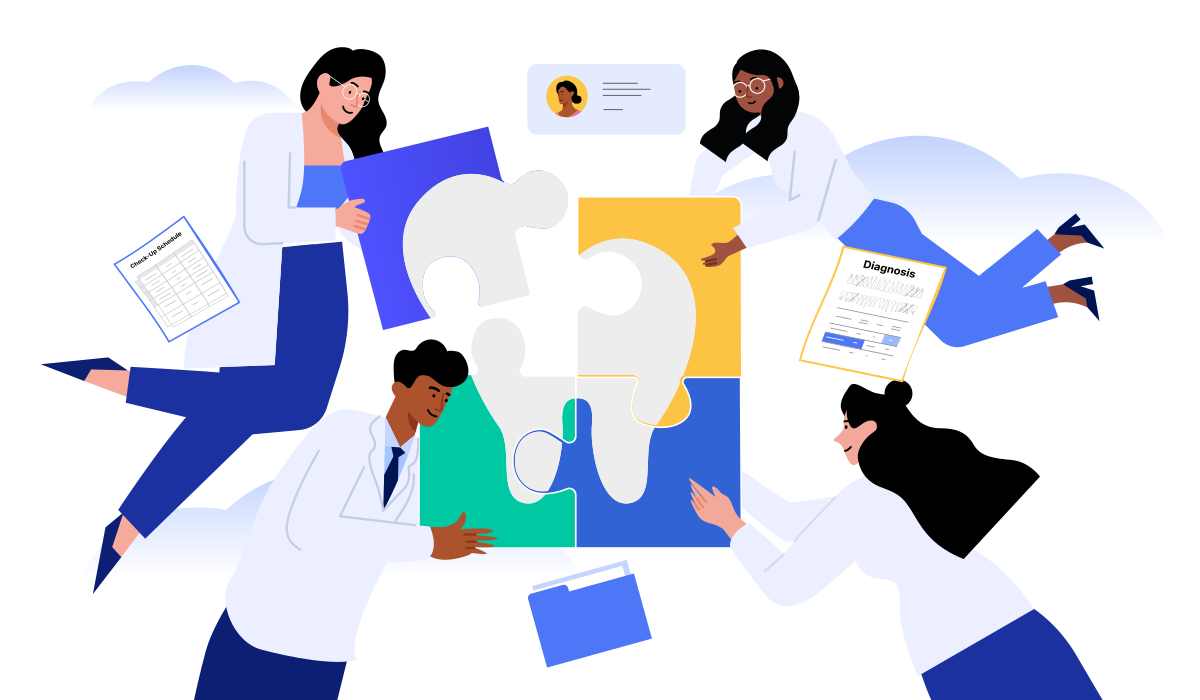
Before Google Workspace, Microsoft 365 and Amazon Web Services, early tech pioneers were already thinking up ways to drive collaboration with software, then known as ‘groupware’ in the late 1980s (Engelbart, 1962).
Like an electronic sinew that binds teams together, the new ‘groupware’ aims to place the computer squarely in the middle of communications among managers, technicians, and anyone else who interacts in groups, revolutionising the way they work.
Richman & Slovak (1987) in the article
"Software Catches the Team Spirit" on Fortune Magazine
Software quickly changed how people worked together for the better. For example, IBM’s Lotus Notes—an initial collaborative enterprise software—was a game changer. “[E]nterprise after enterprise, big companies and all, were depending on Notes to transform how they did business. They never had anything to help collaboration before. Notes opened up the opportunity for teams, departments, and even inter-company projects to communicate.” (Gewirtz, 2018).
In 2006, the introduction of cloud collaboration solutions such as Amazon Web Services and Google Docs revolutionised the collaboration experience (Foote, 2017). Suddenly, geographic barriers were eradicated. Employees could collaborate with anytime-anywhere access, work on documents simultaneously, and communicate more effectively with team members, no matter where they were in the world. Companies could also reduce their high communication and infrastructure costs from legacy IT systems.
Today, Software Drives Collaboration
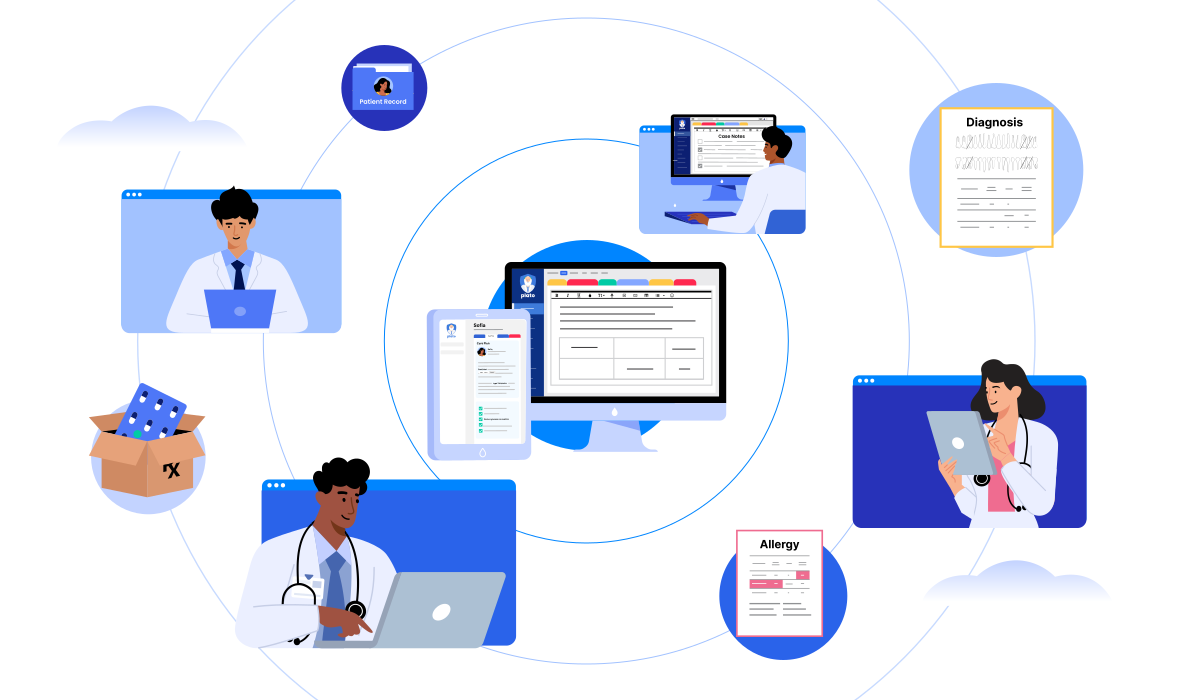
Benefits of Collaborative Software
As more businesses worldwide collaborate using software, it’s become increasingly clear that the advantages include both hard and soft benefits.
Collaborative software improves (Deloitte, 2013; Forrester Research, 2020):
- Communication;
- Productivity;
- Transparency;
- Innovation;
- Engagement;
- Job satisfaction; and
- Bottom-line profit
For example, Google Workspace simplifies collaborations to free up resources for companies, so they can focus on introducing more automations and improvements. Employees’ time is freed to add value directly to the business, instead of struggling with inefficient technologies and processes (Forrester Research, 2020). Since collaborative software simplifies teamwork and provides other soft benefits, employees with access to such technology have been found to be up to 20% happier at their jobs (Deloitte, 2013).
The Spillover Effect into Healthcare
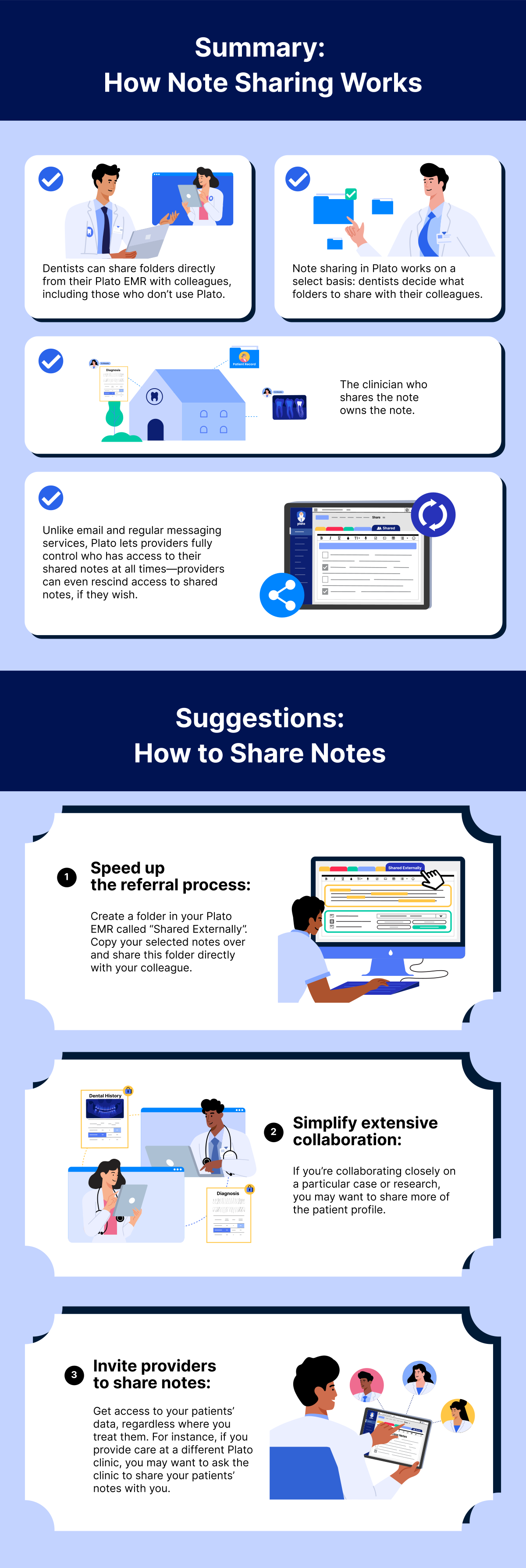
Collaborative software can likewise improve the way healthcare providers work together and share information. For example, you might currently copy-paste your notes into referral letters. When you use Plato, you automate the referral process by securely sharing select folders with your colleagues, directly from your EMR. In a few clicks, you give your colleagues the data they need to continue care and reduce unnecessary work. Patients also stand to gain from note sharing. Dentists can empower their patients in care by inviting them to read key details about their diagnosis and care plan. When patients fully understand their health conditions and treatments, they become more adherent to medicines and experience better outcomes.
Why Share Notes in Plato?
1. Strengthen the Referral Process
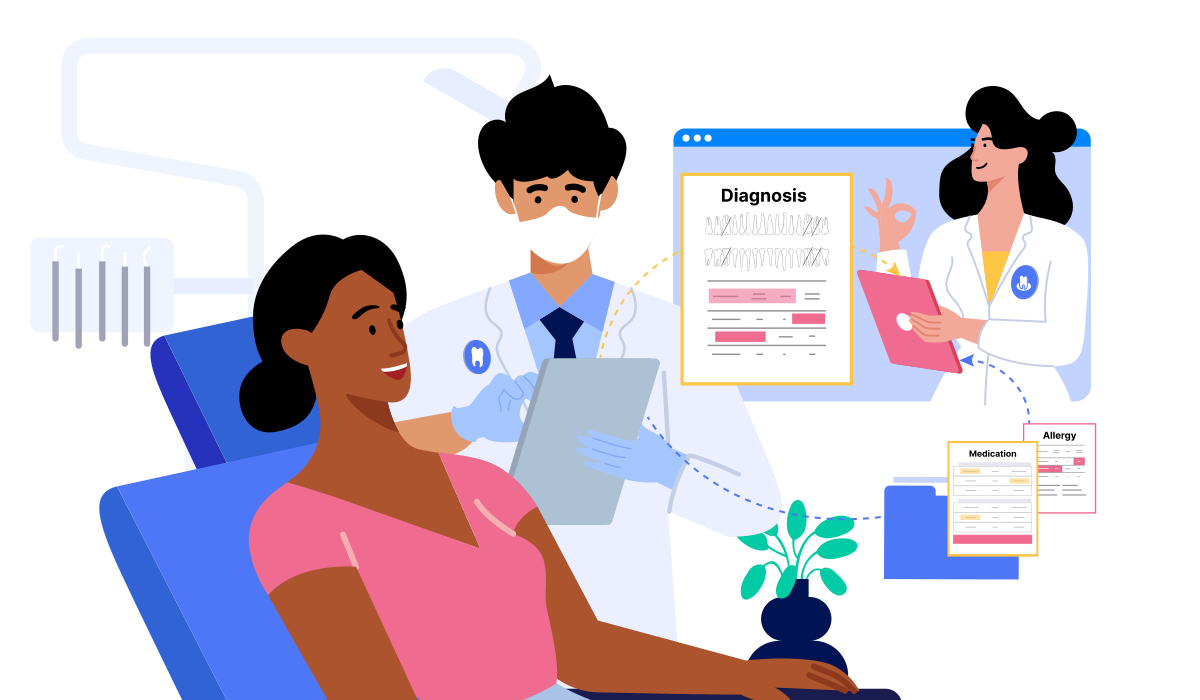
Imagine your patient, Andrea, has recurring swelling in her gums. After performing a dental examination, you suspect Andrea has chronic periodontitis. You refer Andrea to your colleague Dr Alexander, who is a periodontist, for further evaluation. Normally, you’d copy-paste your notes into the referral letter to add context, but this is tedious and creates more work. With Plato, collaboration is simple. Plato automates the referral process by letting you securely share select folders from your EMR with colleagues, regardless whether they use Plato. In one click, you share a folder containing key details about Andrea’s condition with Dr Alexander, so he has all the data he needs to promptly diagnose and treat Andrea. To effectively manage Andrea’s oral health, you and Dr Alexander collaborate to deliver long-term shared care. Instead of manually copying, pasting and sending your notes to Dr Alexander each time there’s an update, you simply add your note into the shared folder, so Dr Alexander automatically gets the data. Likewise, Dr Alexander keeps you up to speed on Andrea’s periodontitis, by adding his notes into the same shared folder on Plato.
Providers who share key pieces of information to improve collaboration can experience the following benefits (Janssen et al., 2020; Liu et al., 2021; Morley & Cashell, 2017; Rudman et al., 2010):
Higher quality of care: Clinicians demonstrate improved decision making and increased innovation. Strong collaboration enhances patient safety through fewer clinical errors.
Increased patient satisfaction: When care team members contradict one another, it confuses patients over which clinician to trust. Patients are more likely to trust, and stay loyal to, care teams that collaborate well together.
Better patient engagement: When teams communicate information that is consistent, responsive and understandable to the patient, it minimises confusion and helps the patient better manage their care.
Lower costs for providers and patients: Sharing key details improves efficiency in collaboration and patient care. Collaboration is more streamlined, while patients avoid redundant or duplicate tests and receive more accurate, timely care.
Improved job satisfaction: Good collaboration strengthens referrer relationships, enhances morale and gives clinicians a greater sense of ownership over, and commitment to, their roles and responsibilities.
2. Empower Patients in Care
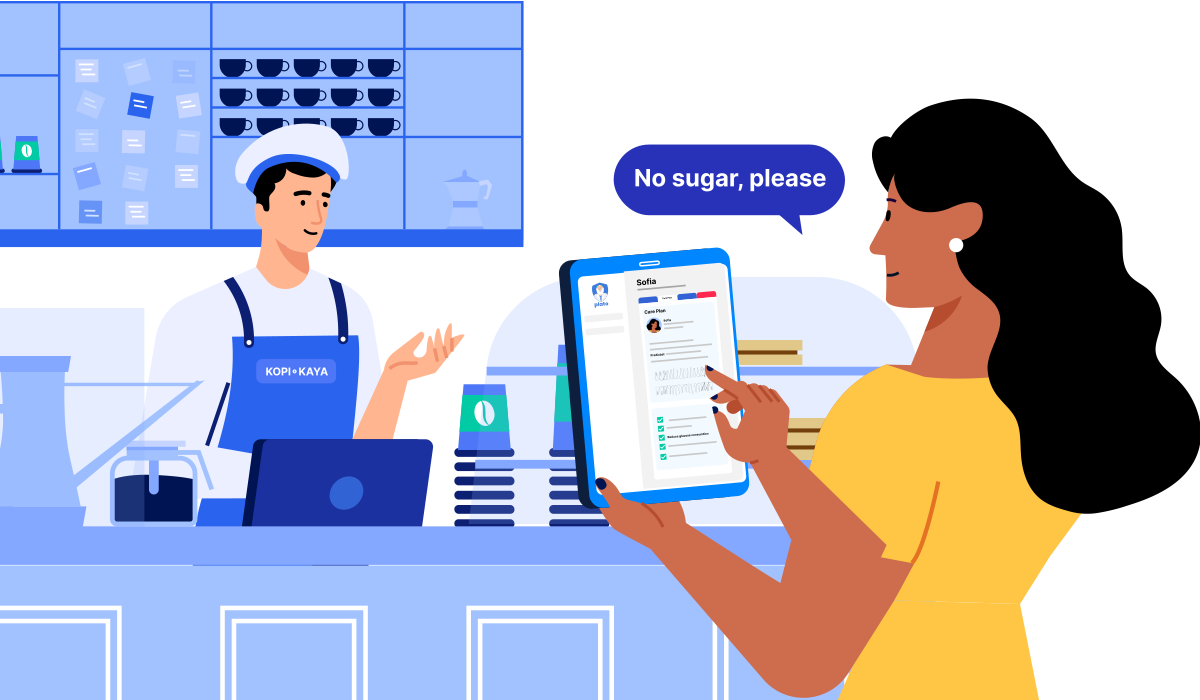
Imagine you’re a dental patient who has been experiencing swelling and redness in your gums. Concerned, you book a visit with your dentist, Dr Myia. After investigating, Dr Myia shares the diagnosis, “Ms Sophia, you have gingivitis.” Dr Myia explains the diagnosis and asks if you have a family history of diabetes. “Actually, I have type 2 diabetes, but how is this relevant?” you ask curiously. “Diabetic patients are more prone to developing oral health problems, so it’s crucial to manage your oral health.” You look at her surprised, “Really? I never knew this!” Dr Myia explains how unmanaged diabetes can weaken your defense against oral infections. Dr Myia proceeds to share detailed care steps with you. “This is a lot of information, I’ll try hard to remember these steps,” you tell Dr Myia. She responds assuringly, “Don’t worry. My nurse will send you a summary note of today’s visit. It will contain key details about your diagnosis and the care steps discussed today. You can refer to your notes at any time to manage your care.” You breathe a sigh of relief. “Thank you, Dr Myia. I would have either forgotten, or misremembered, what was discussed in today’s visit. Having notes to refer to is helpful.”
Generally, patients find it difficult to retain verbal medical information, more so if they are elderly, anxious or dealing with overwhelming data. On top of this, many patients are unaware of how their oral health may impact their medical health—and vice versa. Studies have found connections between oral health and chronic conditions like diabetes, heart disease, kidney disease and rheumatoid arthritis (Din & Powell, 2008; Kriauciunas et al., 2019). When providers share notes with their patients, it not only helps them remember what was discussed during the visit (Kessels, 2003), but also educates patients on the connection between their oral health and general health. Research studies show that sharing notes with patients can help them (Delbanco et al., 2012; Tapuria et al., 2021; Vahdat et al., 2014):
- Better understand their health condition
- Take greater control of their care
- Experience better treatment outcomes
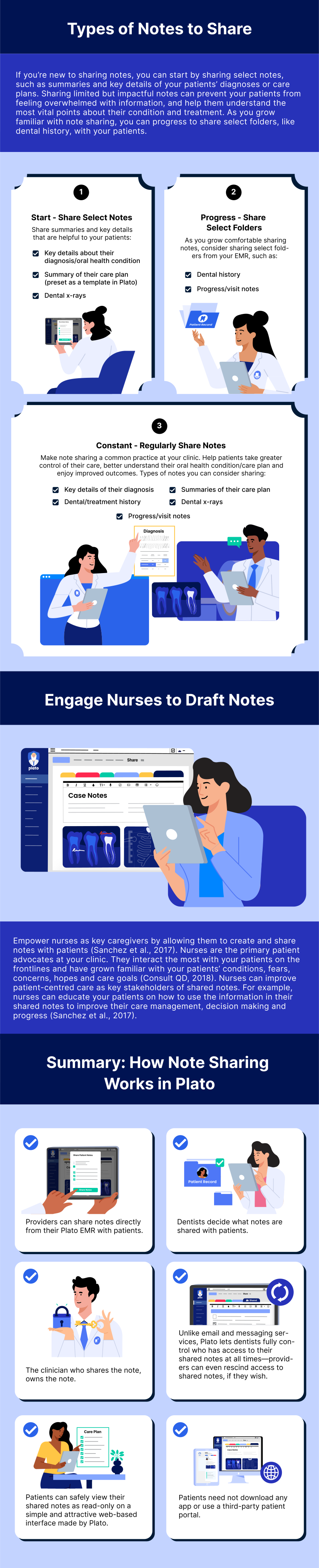
In Plato, you can securely share notes directly with patients from your EMR. Your patient need not download any apps or use any third-party portal. Patients can safely access their read-only notes on a simple and beautiful web-based interface, created by Plato. You can share written and even visual notes. For example, for patients with braces, consider sharing videos that demonstrate how they can properly brush and floss teeth with braces.
Some clinicians may feel anxious about sharing their first note with a patient. You can slowly introduce note sharing by sharing with patients:
- Key details about their diagnosis
- Summary of their care plan (preset as a template in Plato)
- Dental x-rays
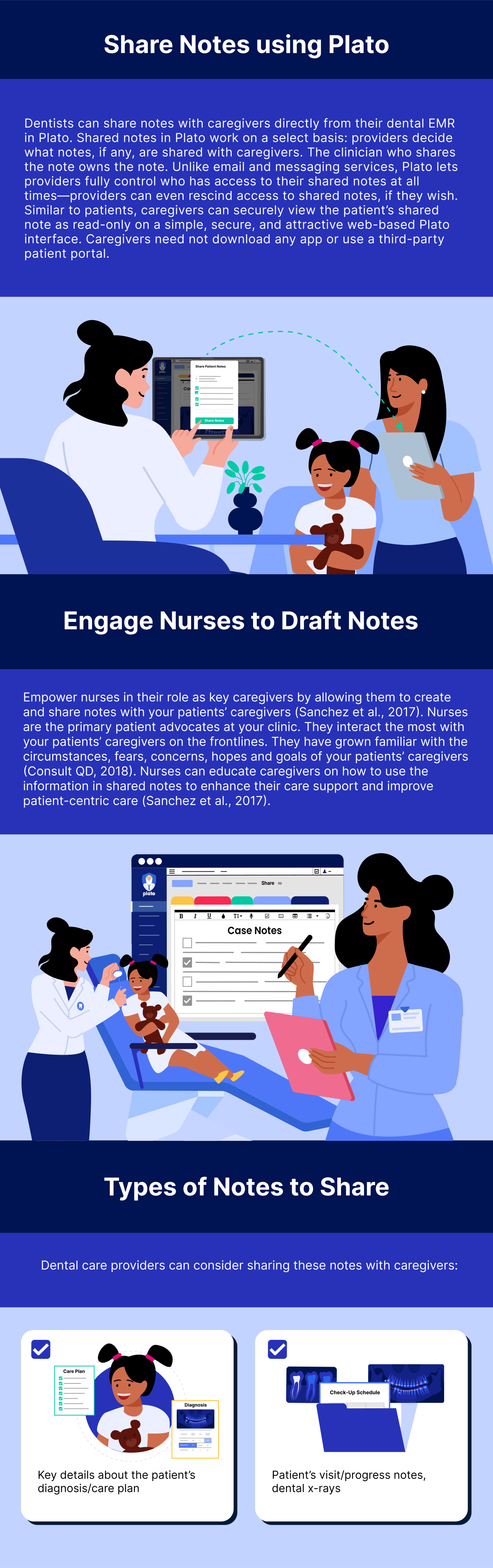
Since nurses are the primary patient advocates at your clinic, empower them in their role as caregivers by allowing them to create and share notes with patients (Sanchez et al., 2017). Nurses interact the most with your patients on the frontlines. They are familiar with your patients’ conditions, fears, concerns, hopes and care goals (Consult QD, 2018). When nurses create notes to share with patients, it helps them provide better patient-centred care. Nurses can educate patients on how to use their shared notes to enhance care management and decision making (Sanchez et al., 2017).
3. Build Patient Loyalty
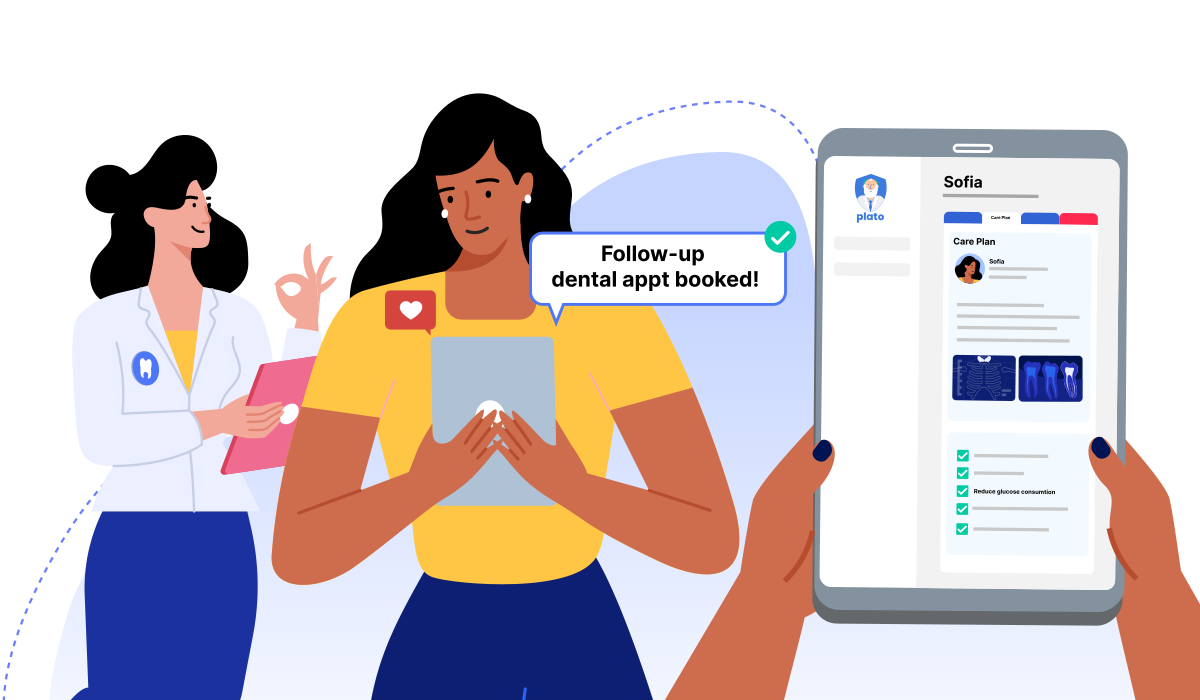
When dental providers extend their patient-centred care with shared notes, it creates a memorable patient experience, strengthens patients’ trust in their dentist, and increases their loyalty to your practice (Setyawan et al., 2020). Imagine you’re a patient visiting your dentist. To your delight, you realise that your dentist not only has a full picture of your oral health status, but also your general health condition. Through notes sharing, your dentist can effectively collaborate on your care with other providers, be it a specialist dentist or a medical doctor. According to a study by Press Ganey (2019), good provider teamwork is the greatest predictor of patient loyalty. Patients are more likely to recommend a practice where care is safe and well-coordinated. Sharing notes with your patients also strengthens the patient-provider relationship by improving trust, transparency, and communication (Fossa et al., 2018). Since patient trust is a key factor in determining patient loyalty, dental providers who share notes are more likely to build a loyal patient base (Liu et al., 2021).
CHAPTER 3
Share Notes with Providers
Why Share Notes with Your Colleagues?
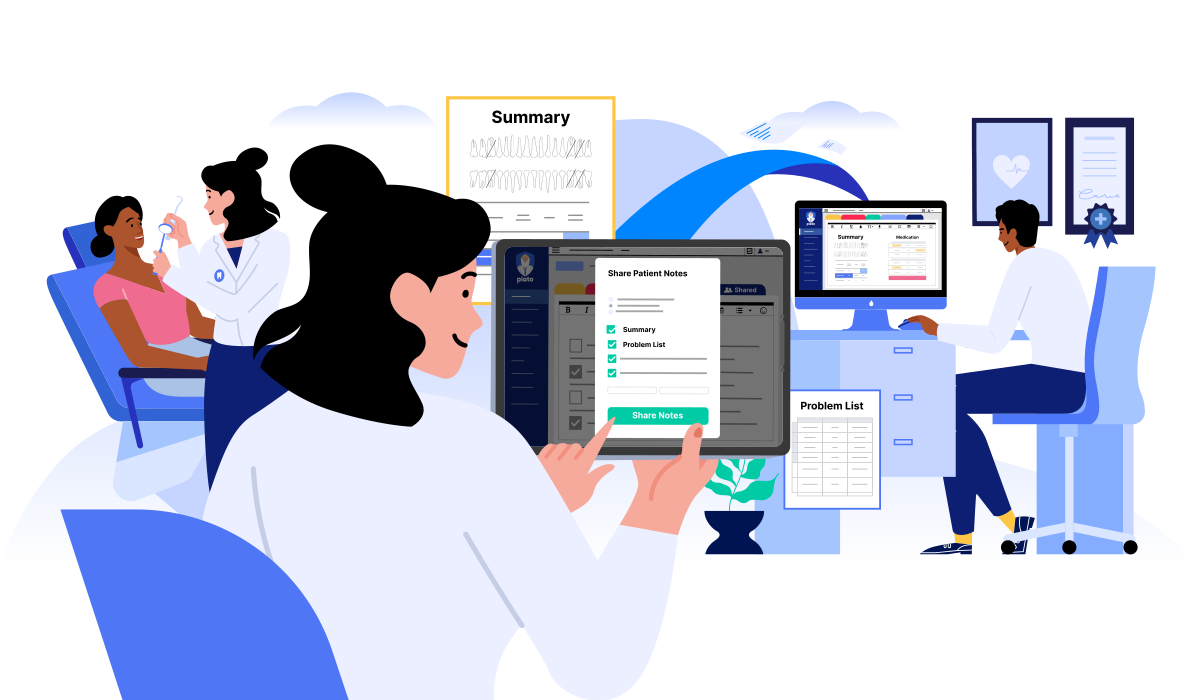
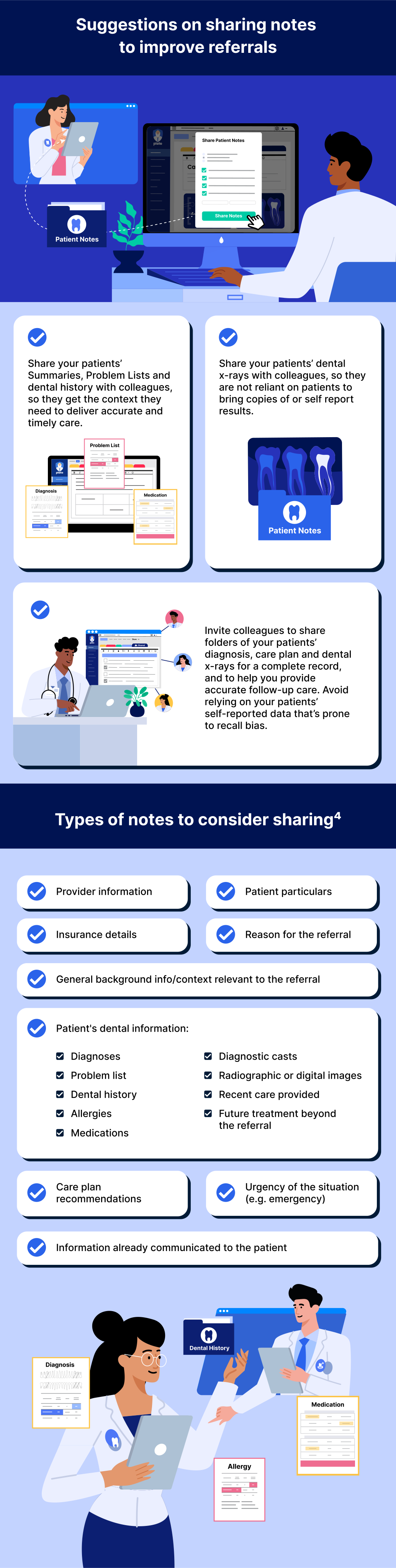
Your patient, Sofia, has come for a dental checkup. Lately, Sofia has been experiencing pain in her tooth. After conducting an oral exam and taking some x-rays, you discover that Sofia has a tooth infection. To treat the deep decay, you refer Sofia to your colleague, Dr Sander, who is an endodontist. You manually find, collate and draft information for the referral letter, as well as copy-paste your notes inside to add context. The process is tedious and adds to your workload. If you use Plato, you can securely share select folders directly from your EMR with colleagues, regardless whether they use Plato. Note sharing helps dentists strengthen their role as the primary dental care provider, simplifies collaboration in care teams, and speeds up the dental referral process. If you’re new to note sharing, you can start by sharing folders of Summaries, Problem Lists, and dental x-rays.
1. Dental Care is Primary Care
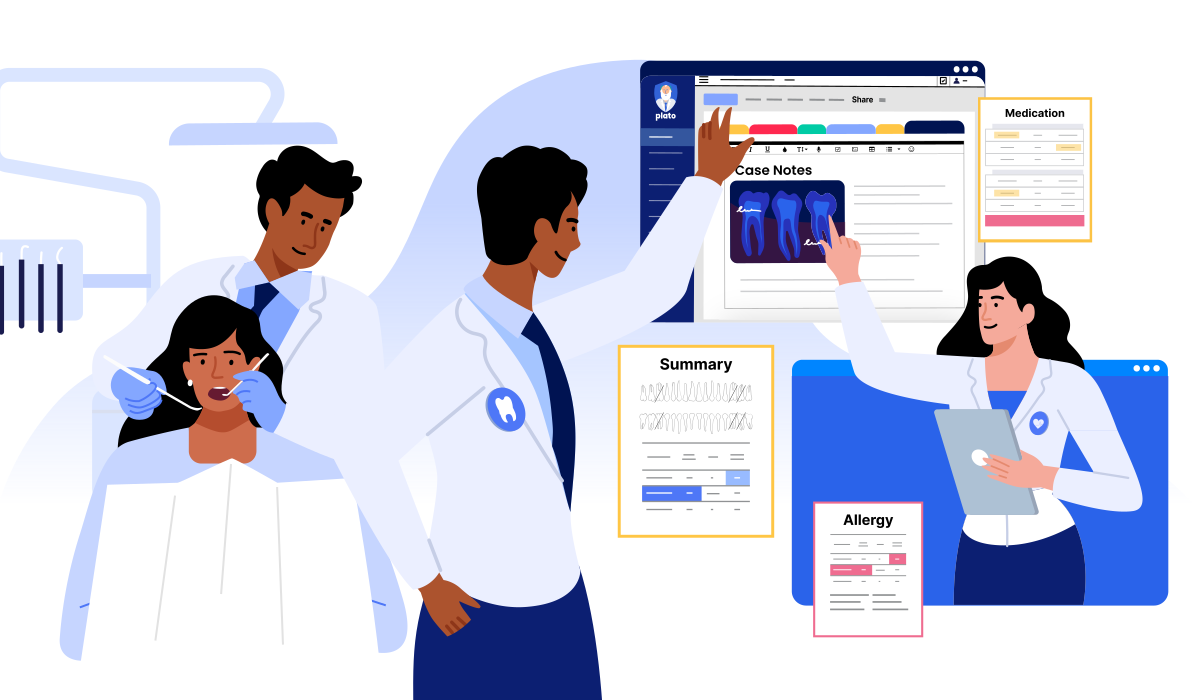
Former US Surgeon General C. Everett Koop famously said, “You’re not healthy without good oral health.” To this day however, medical care and dental care are largely siloed, despite the fact that general dentistry is primary care (Gambhir, 2015). Dentists play a key role in not only identifying and referring patients suspected of having chronic diseases, but also preventing their patients’ oral health from exacerbating their general health, and vice versa (Din & Powell, 2008; Leader et al., 2018; Rudman et al., 2010; Vieira & Caramelli, 2009). Early disease discovery and intervention benefits patients, improves outcomes, and lowers costs for both patients and providers (Foreman et al., 2011).
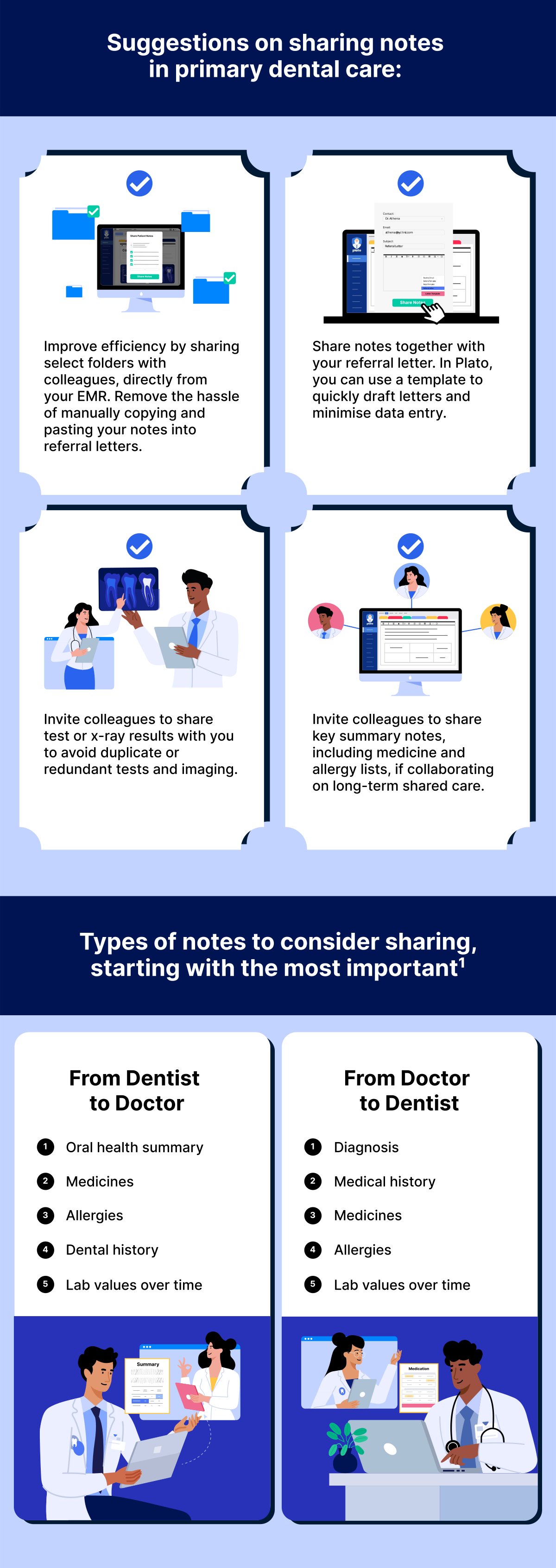
Let’s say your patient has chronic gum disease—this could be a sign of cardiovascular disease (British Dental Journal, 2019). As your patient’s primary care provider, you refer him to your colleague, a cardiologist, for further evaluation. It's vital to provide a comprehensive referral, so your colleague gets all the data he needs to deliver timely and accurate care. However, traditional referral letters are tedious and add to your workload: you must manually find information, collate it, and draft the content of your referral letter. To add context, you might even copy-paste your notes inside your letter. Note sharing simplifies this process. In one click, securely share key folders like your patient’s oral health summary, current medication list, and key allergies, directly from your dental EMR. Likewise, invite colleagues to share key folders with you, such as patients’ summaries and care plans, to help you follow up as the primary care provider. Shared notes drives better teamwork, which improves care outcomes and professional relationships.
Share Notes as the Primary Care Provider
2. Simplify Collaboration for your Care Team
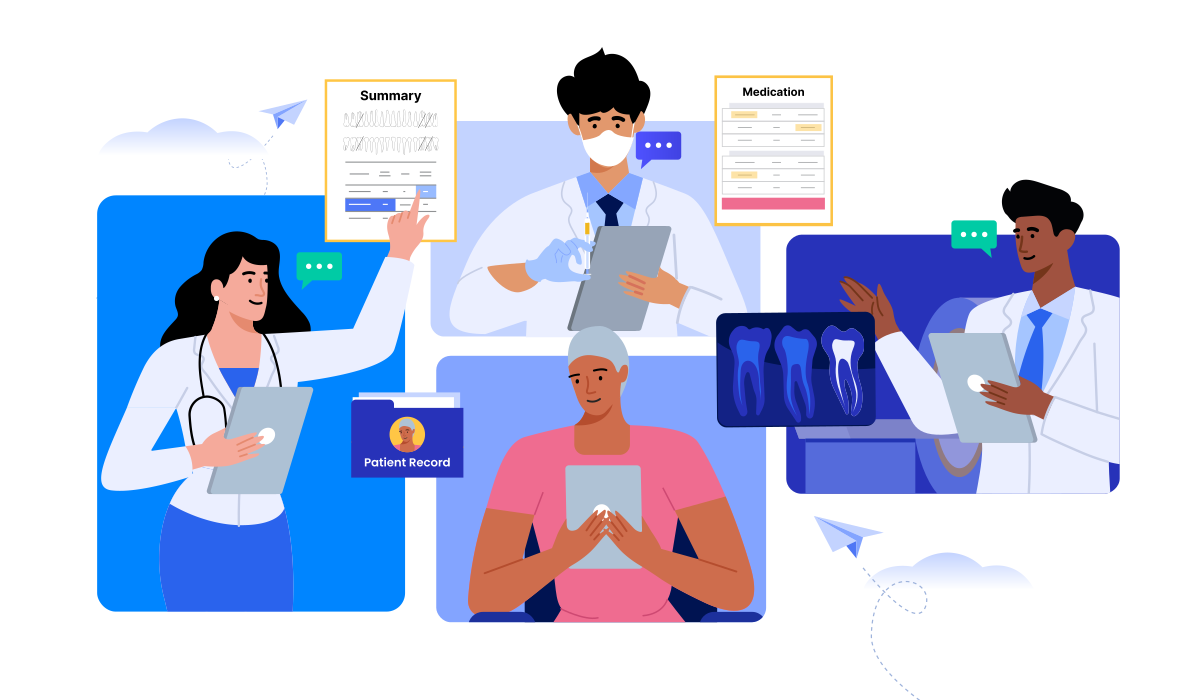
Dentists and doctors must work closely together on complex patient cases. Note sharing puts team members on the same page, so clinicians get a holistic view of their patient’s condition, progress and care plan. When team members are aligned on the patient’s shared care, collaboration is more efficient and frictionless. Patients who receive well-coordinated care are more likely to experience better care outcomes.
Imagine you’re part of a care team for a patient with oral cancer. The team comprises five members: pathologist; radiologist; oral and maxillofacial surgeon; radiation oncologist; medical oncologist. Treatment requires a high level of coordination and communication, since each specialist provides analyses and recommendations based on their individual area of expertise (Kane et al., 2013). Shared notes simplifies collaboration by letting team members efficiently share key data to achieve well-coordinated care. When care teams work well together, it not only improves job satisfaction, work relationships and patient outcomes, but also reduces operational inefficiencies, medical errors and clinician burnout (Smith et al., 2018; TigerConnect, 2020).

Share Notes in Care Teams
3. Improve Dentist to Dental Specialist Referrals
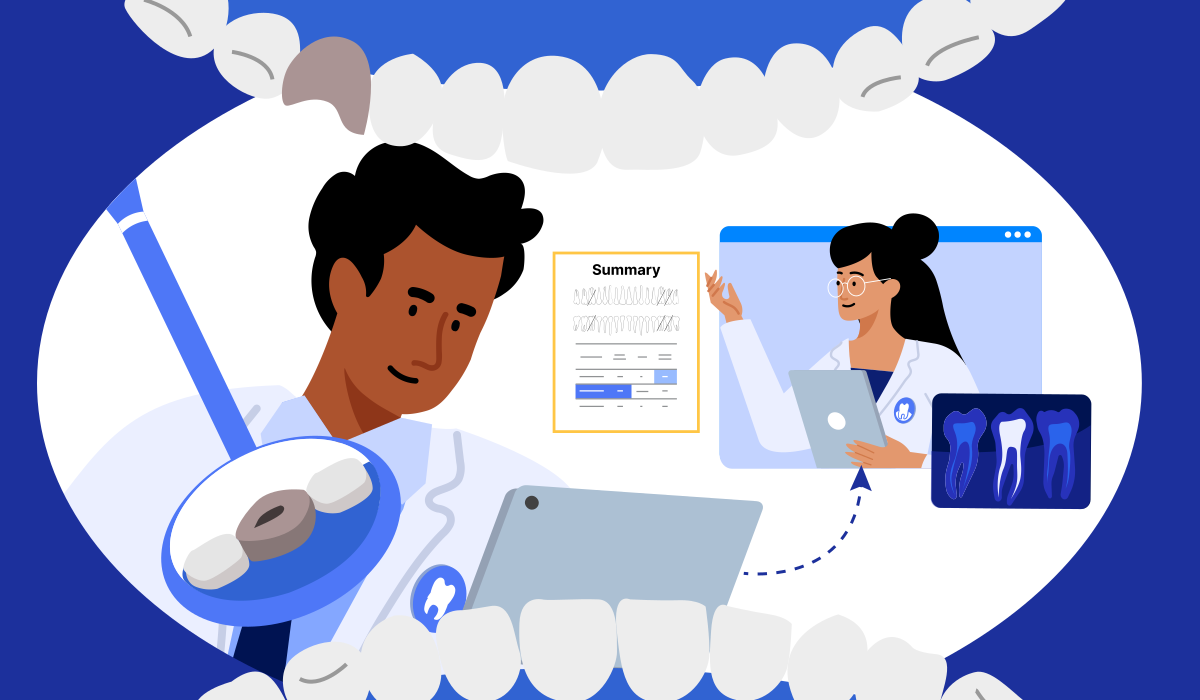
Dentists frequently work with dental specialists to deliver shared care. Since dentists see many patients daily, they must work quickly yet meticulously when referring patients, so their colleagues get all the data they need to deliver precise and timely care. For example, imagine referring your patient with tooth decay to your colleague, an endodontist, for root canal treatment. Instead of manually finding, drafting and copy-pasting your notes into the referral letter, automate work by sharing notes in Plato: save time from manual data entry and easily give colleagues the context they need to deliver care. Share key folders containing your patients’ dental history, oral health status, and dental x-rays, directly from your Plato EMR.
Once shared, your colleague can review the context provided for accurate decision making. Eliminate any back-and-forth that often results from communication gaps in traditional referral letters (Chase et al., 2014; DeAngelis et al., 2010; Janssen et al., 2020). Since your colleague has all the data required through shared notes, he doesn’t have to rely on patient-reported data to close knowledge gaps. Recall bias is common among patients and caregivers; they often misremember or fail to recall details entirely, like prescribed medicines. When inaccurate data is passed to providers, clinical errors and poor decisions can result (McPhail & Haines, 2010; Spencer et al., 2017; Topp et al., 2019). After your patient’s root canal treatment, invite your colleague to share notes with you for a complete record, and to help you provide accurate follow-up care for your patient.
Share Notes with Colleagues
How are Notes Shared Between Providers in Plato?
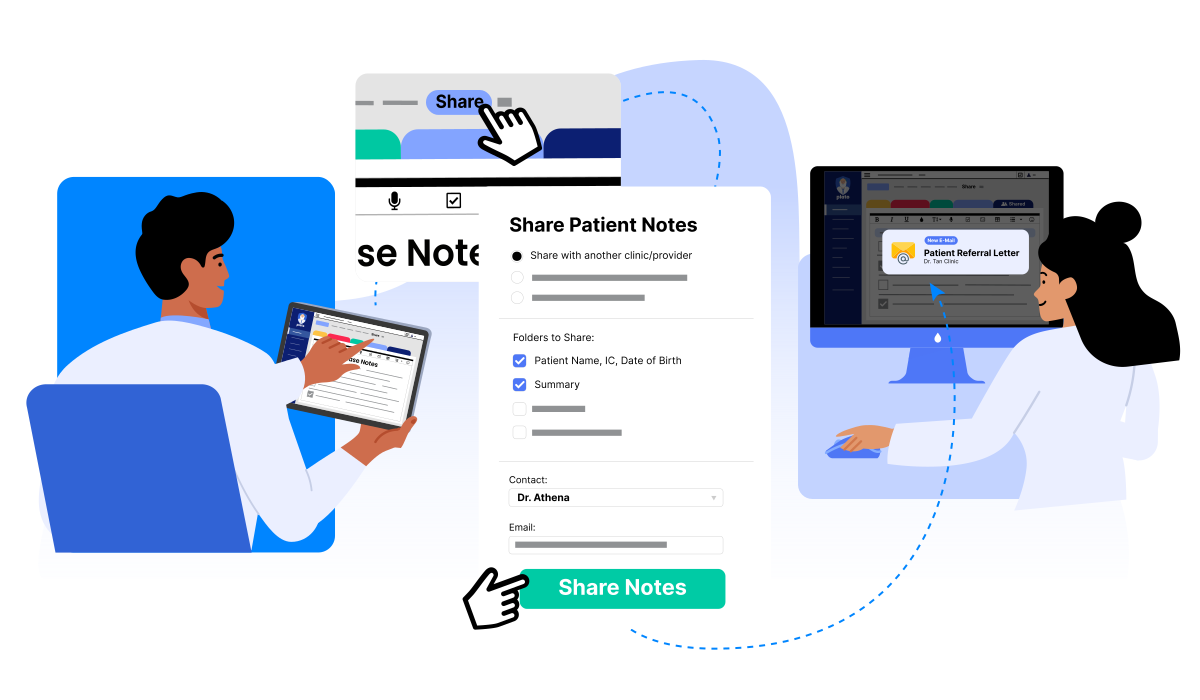
Note sharing in Plato works on a select basis: providers decide what folders to share with colleagues. Many dental care providers start by sharing folders of Summaries, Problem Lists or dental x-ray results. The clinician who shares the note owns the note. Unlike normal email and messaging services, Plato lets providers fully control who has access to their shared notes at all times—providers can even rescind access to shared notes, if they wish.
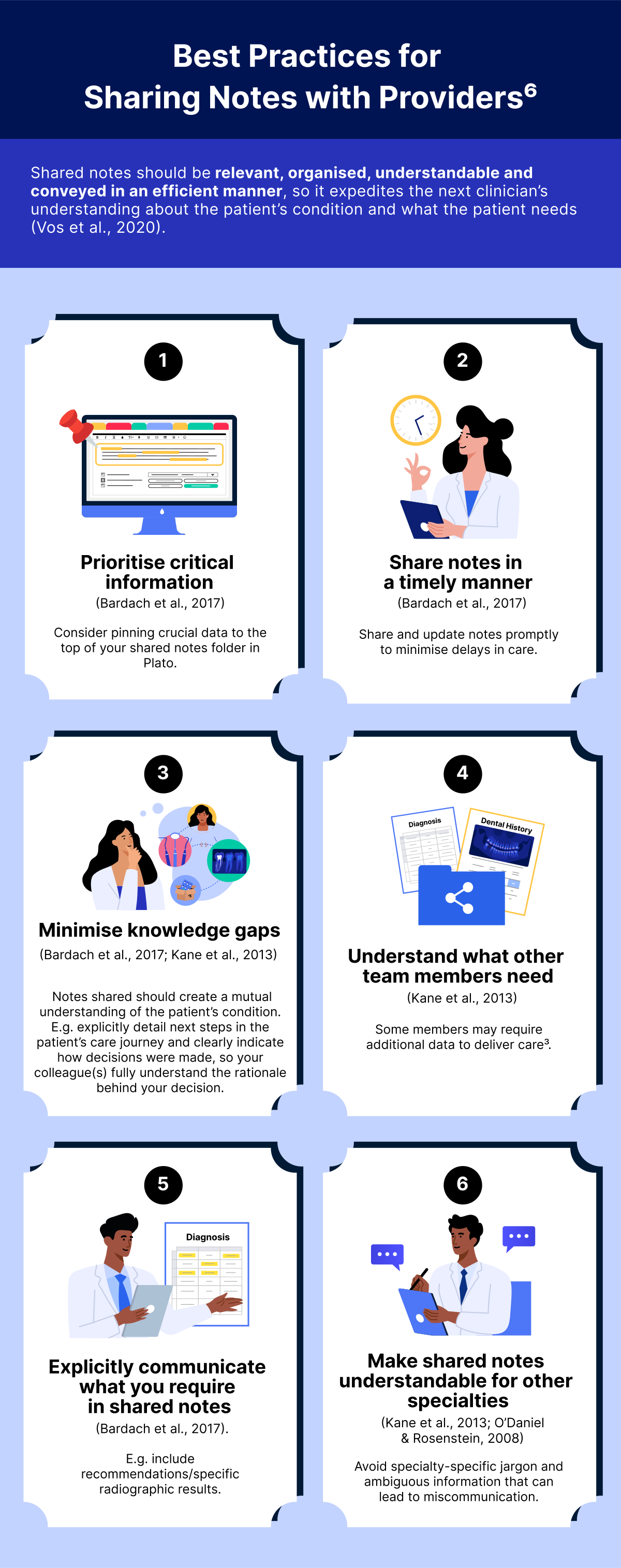
Tip on Drafting Notes
Nurses can help dentists draft notes to optimise resource allocation and simultaneously become stakeholders of note sharing in Plato. This is similar to what’s commonly done at multidisciplinary team meetings, where an experienced nurse is tasked with taking notes that are subsequently reviewed and approved by the lead clinician (Kane et al., 2013).
Start Sharing Notes
CHAPTER 4
Share Notes with Patients
Why Share Notes with Your Patients?
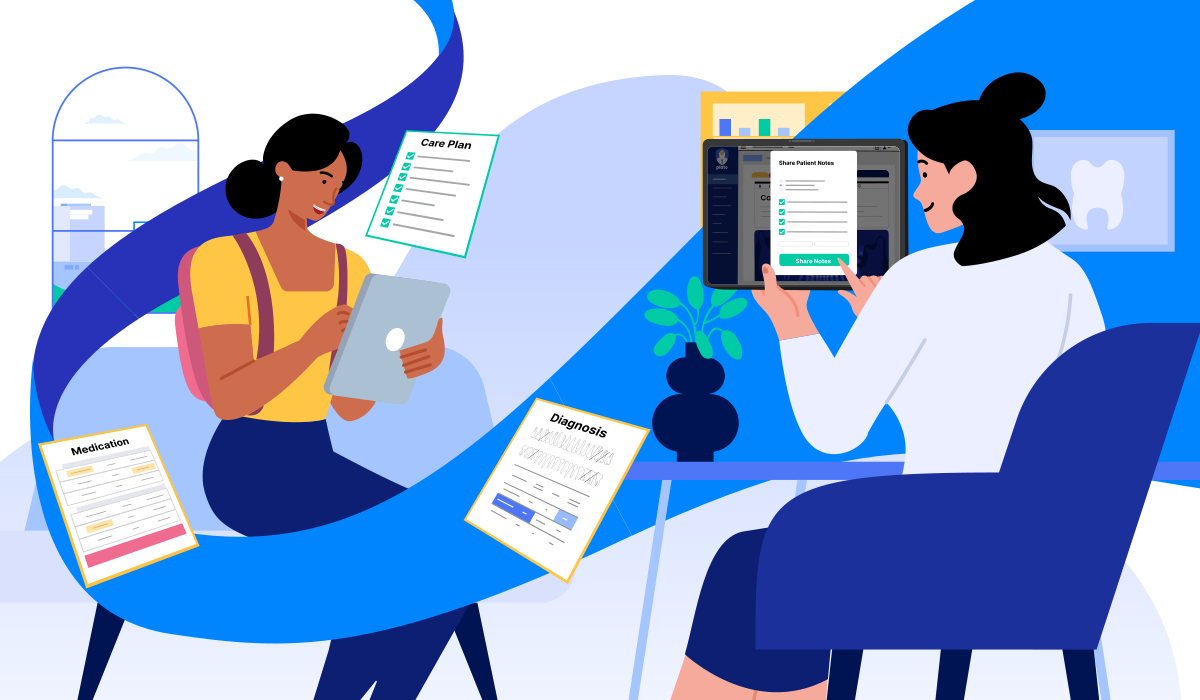
Oral care isn’t always as straightforward as brushing twice a day and flossing regularly. Let’s say your young patient, Zoe, is getting braces. You teach Zoe about braces care, including how to floss and brush correctly. After covering other basic care steps like types of food to avoid eating, you find Zoe looking slightly dazed. She explains, “Dr Myia, this is a lot of information. I’m trying hard to remember everything. Can you show me the brushing and flossing demonstration again please? May I record it on my phone, so I can watch it later?” You reply assuringly, “Don’t worry. My nurse will share with you a summary note of today’s visit. It will include all the care tips I’ve covered, as well as links to videos from my dental YouTube channel on how to brush and floss your teeth with braces, so you can easily refer to them at any time.” Zoe breathes a sigh of relief. “Oh wow! Thanks Dr Myia. I didn’t even have to take any notes manually! That’s awesome!”
Patients generally find it hard to retain verbal healthcare information, especially if they are elderly, anxious or overwhelmed by data. Empower your patients to take control of their oral health by sharing notes. Patients find it easier to accurately recall details from their visits with written notes (Kessels, 2003). When patients read their notes, they can better understand their oral health condition and care plan. Patients who actively participate in their care are also more likely to enjoy positive outcomes (Vahdat et al., 2014).

Common Use Cases for Sharing Notes with Patients
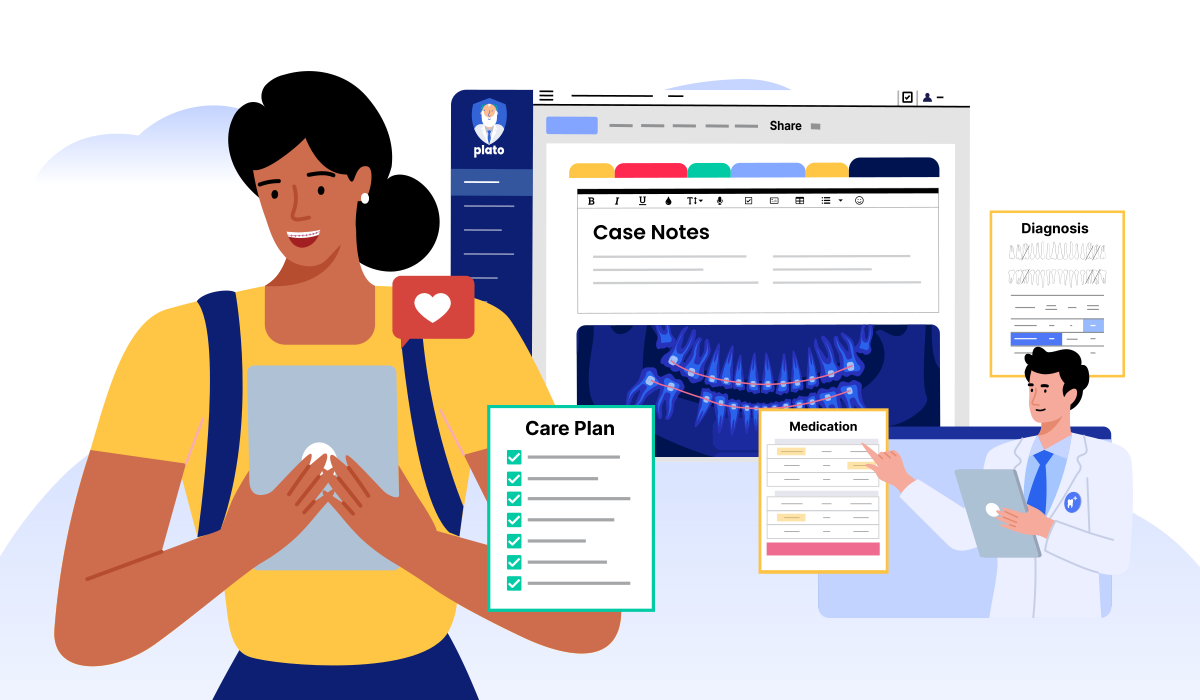
Patients who have complex diagnoses or treatment plans may find it hard to manage their care. The simple act of sharing notes can go a long way in helping them understand, accept and improve their health conditions. Patients with complex, long-term or chronic conditions have been found to benefit the most from shared notes (Zanaboni et al., 2020).
Complex Care
Complex illnesses that involve both chronic oral and medical diseases can be overwhelming and confusing for patients. For example, patients with chronic conditions, like diabetes, cardiovascular disease, osteoporosis, or kidney disease may not be aware of, or understand, the possible interconnection between their medical disease and oral health (Din & Powell, 2008; Sippli et al., 2017; U.S. Department of Health and Human Services, 2000). When dentists share notes, it helps their patients better understand their overall health condition, the link between their oral health and general health, as well as their care steps so they stay committed to treatments. Research by Maly et al. (1999) found that after patients with chronic disease were given copies of their progress notes, they became more satisfied with their provider’s care and reported an 8.3% improvement in their overall health condition. Similarly, dentists can share notes with their patients who have chronic oral infections, such as dental caries, gingivitis and periodontitis, to help them manage their care and treatment progress (Aarabi et al., 2018; Mignogna & Fedele, 2006). Oral cancer patients also find shared notes valuable, since they often face a larger information burden than other patients. In research by Salmi et al. (2020), 70% of oncology clinicians and 98% of patients agreed that sharing notes was beneficial. The team concluded few differences between the views of oncology clinicians and all other clinicians, suggesting that all specialties and their patients can benefit from sharing notes.
Share Dental X-Rays
When patients have a shared record of their dental x-rays, it improves efficiency in care and minimises redundant or duplicate imaging. Dental x-rays can significantly add to a patient’s oral care expenses. For example, a patient consults an orthodontist about potentially getting braces. Since the patient has a history of tooth decay, the orthodontist decides to take a panoramic radiograph of the patient’s teeth to check his suitability for treatment. Coincidentally, the patient has had a panoramic radiograph done recently by his dentist. The patient checks his shared notes to see if he has the x-ray on hand. Bingo! He finds the images in his shared notes and pulls it up on his iPad. The orthodontist reviews the images to get a full picture of his patient’s oral health. Without shared notes, the patient might have had to retake the panoramic radiograph, which is costly. Alternatively, the patient might request the orthodontist to get the x-ray from his dentist, which could take days or even weeks, and delay care. With shared notes, the patient avoids taking a duplicate x-ray and gets efficient care (Vreeland et al., 2016).
Treatment Plans
Care plans can be difficult for patients to remember, especially when the plan involves multiple steps, or if the patient is busy or getting on in years. Patients tend to remember diagnosis-related information better than instructions on treatment. Thankfully, written notes can help patients retain verbal information better (Kessels, 2003). For example, your young patient has trouble remembering the verbal care steps for her braces. Caring for one’s oral health with braces can be strenuous and confusing at the start—patients must adapt to changes in their diet and oral care routines. To help your patient stay committed to her care, you share a summary note containing key details of her care steps. Thanks to shared notes, your patient can conveniently refer to these notes whenever she’s unsure of her brushing routine, types of foods she should avoid eating, or when her next follow-up appointment is with you.
How to Share Notes with Patients
Start Sharing Notes
Share Your First Note
Are you ready to introduce note sharing with patients at your clinic? Before you start, it’s important for your clinic to establish protocols and policies to best manage this practice. Notes that you share with patients should be organised, relevant and helpful (Strum, 2019). When you use best practices to share notes, there should be minimal changes to your workload (Delbanco et al., 2012; Scandurra et al., 2015).
Step 1: Educate Staff
- Explain the purpose and benefits of sharing notes for patients and clinicians (Miralles et al., 2021).
- Decide who can create, share and update notes. Will all staff who author notes be able to share notes by default? (Yu et al., 2017) In Plato, you can set access restrictions to control who can share notes.
- Share notes in a timely manner. Set up follow-up guidelines if necessary, e.g. invitations and reminders to read notes (AAN, n.d.)
- Address practice-specific/FAQs by clinicians (Miralles et al., 2021; OpenNotes, n.d.-b). E.g. How will staff manage patients’ questions or requests for updates about their shared notes? Let patients know that they can discuss questions in the next visit. If they have an urgent question or update, they can teleconsult with their clinician nurse using PlatoConnect.
Helpful Resources:
-
Benefits of note sharing for patients and clinicians
-
How to address common questions by clinicians about note sharing
Step 2: Educate Patients
- Explain the purpose and benefits of sharing notes for patients (Miralles et al., 2021). Consider adding a page on your clinic’s website about shared notes for patients—this may also attract patients to your practice.
- Invite patients to read their notes. Improve patient engagement and care outcomes by informing patients when their shared notes are available (Mafi et al., 2016)
- Address FAQs by patients (OpenNotes, n.d.-c). E.g. How can patients get the most out of their shared notes? Encourage patients to read their notes after their visit. This will help them better understand their condition and the next steps in their care journey. If the note includes prescribed medicine, the patient should check that what they are taking matches the note’s content, including dosage.
Helpful Resources:
-
Introduce shared notes to patients and explain how it works
-
Inform patients when a new shared note is available
-
Explain how patients can access their notes
-
Address FAQs by patients
Step 3: Set Documentation Standards
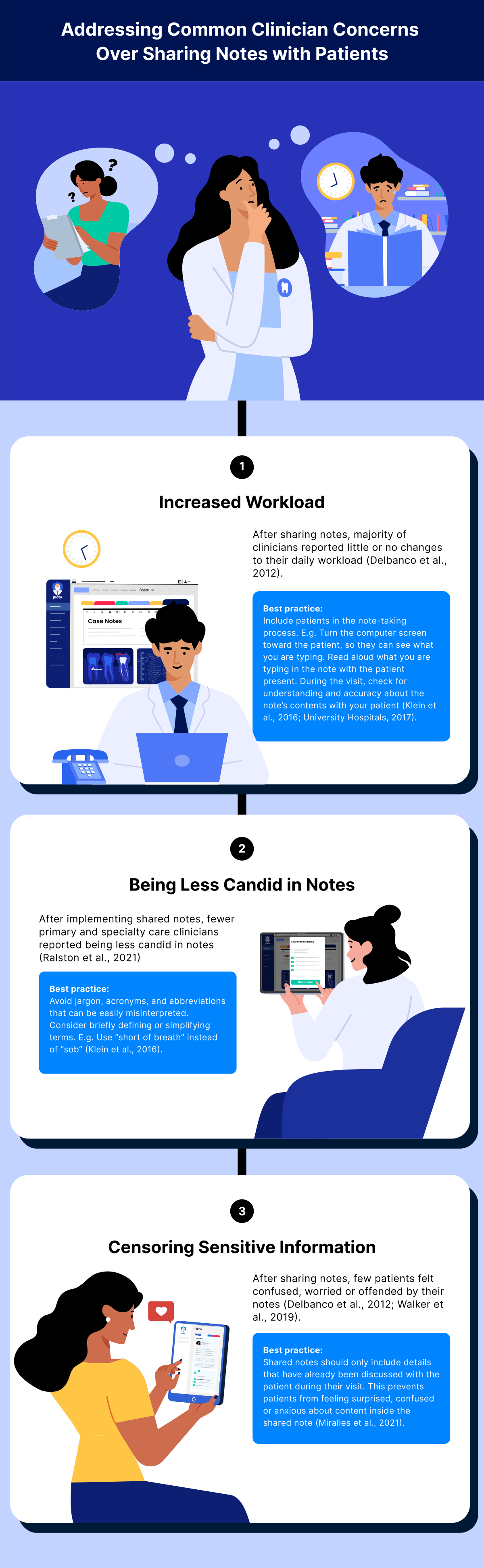
- Involve patients in the note-taking process. Minimise questions post-visit by checking for understanding and accuracy about the note’s contents with your patient during their consultation (Klein et al., 2016; University Hospitals, 2017).
- Shared notes should only include details already discussed in the visit (Miralles et al., 2021).Notes should never contain information that has not been discussed with the patient. This prevents patients from feeling surprised, confused or anxious about the content of any note.
- Never oversimplify your notes. You may minimally adapt your notes to support patients with limited health literacy, but maintaining accuracy for record-keeping is vital (Cruz, n.d.).
- Avoid jargon, acronyms, and abbreviations that can be easily misinterpreted by patients. For example, use “short of breath” instead of “sob” (Klein et al., 2016).
- Generally, notes should be positive, supportive and give a balanced perspective(Klein et al., 2016).
Helpful Resources:
-
Suggestions to keep in mind when drafting notes
-
Suggestions for implementing shared notes at your clinical practice
Start Sharing Notes
Still Concerned about Sharing Notes?
Unsure about sharing your first note? Some clinicians anticipate more work or major workflow changes from note sharing. However, research shows this does not happen. After clinicians share notes, their concerns tend to diminish and they are likely to continue sharing notes (Delbanco et al., 2012; DesRoches et al., 2020; Ralston et al., 2021; Scandurra et al., 2015). Common clinical concerns include increased workload (longer visits, more questions from patients, taking longer to create notes), being less candid in notes, and censoring info to avoid upsetting/worrying patients. Often, these worries are put to rest after clinicians start note sharing. When you manage shared notes using best practices, there should be minimal changes to your workflow. For starters, you can consider sharing summaries, care plans and dental x-rays.
Clinicians who agreed sharing notes with patients was beneficial overall
- Before sharing notes
- 29%
- After sharing notes
- 71%
Share Your First Note
CHAPTER 5
Share Notes with Caregivers
Why Share Notes with Caregivers?
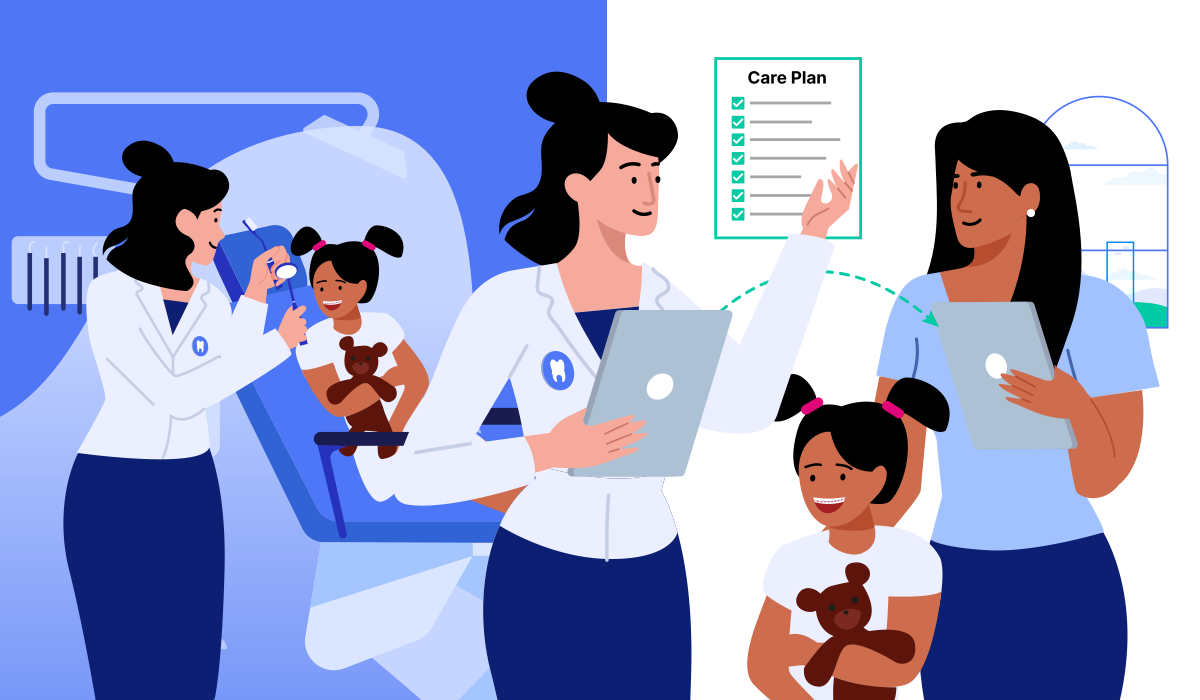
Oral care isn’t always as easy as routine brushing and flossing. Sometimes, patients need help from their caregiver to adhere to complex treatments, especially if the patient is young or getting on in years. Imagine your orthodontic patient, Zoe, is in primary school. Zoe can’t recall all her dental care steps and needs help from her mum as her caregiver. However, Zoe’s mum is a busy working parent; she can’t accompany Zoe to every dental visit. What’s more, Zoe’s mum admits that she, too, has trouble accurately recalling Zoe’s care steps and dental appointment schedule.
Thankfully, they have Plato’s shared notes to help. You share summaries of Zoe’s dental visits with them. At any time, the pair can refer to the shared notes to accurately recall what was discussed during the visit. You also share Zoe’s dental appointment schedule, so Zoe’s mum can ensure her daughter attends every follow-up appointment. By reading their shared notes, Zoe and her mum clearly understand Zoe’s care plan and treatment progress. Shared notes make it easy for Zoe to commit to her oral care and for Zoe’s mum to provide quality care support. As a result, Zoe’s mum trusts your practice even more. Zoe’s mum wastes no time recommending your practice to other parents.
Benefits of Sharing Notes with Caregivers
Sharing notes doesn’t just help providers and patients, but also caregivers. When caregivers read their shared notes, they gain a better understanding about the patient’s health condition. This helps them feel prepared to provide the support they need to optimise the patient’s care outcome. Patients may choose to give caregivers access to their notes for different reasons, including care management support, emergency reasons and to aid the patient’s lack of tech experience or limited health literacy (Wolff, Berger, et al., 2016).
Patients and their caregivers can experience the following benefits by reading their shared notes (Desai et al., 2018; Cleveland Clinic, 2019; Gerard et al., 2017; Jackson et al., 2014; Scherbring, 2002; Tieu et al., 2015; Wolff, Berger, et al., 2016; Wolff, Darer, et al., 2016):
- Better understanding about the patient’s health condition
- Drive better patient outcomes through quality care support
- More likely to agree about the patient’s treatment plan
- Better able to remember the patient’s care steps
- Have more productive discussions about the patient’s care
- Better able to prepare questions for their healthcare provider
- Improve patient’s treatment adherence
- Help bridge patient shortfalls in health literacy or tech expertise
- Reduce caregiver stress by aiding communication and care coordination
Start Sharing Notes in Plato
Share Your First Note
Similar to how you would share notes with patients, it’s important to first establish protocols and policies to best manage sharing notes with caregivers at your clinic. If you are already sharing notes with patients, you can apply the same best practices to sharing notes with caregivers.
Step 1: Educate Employees
- Explain the purpose and benefits for caregivers and staff (Miralles et al., 2021)
- Share notes in a timely manner. Set up follow-up guidelines if necessary, e.g. invitations and reminders to read notes (AAN, n.d.).
Helpful Resources:
-
Benefits of note sharing for caregivers and clinicians
-
Address common questions by clinicians about note sharing
Step 2: Educate Caregivers
- Explain the purpose and benefits for caregivers and patients (Miralles et al., 2021). Consider adding a page on your clinic’s website about shared notes that caregivers can easily refer to.
- Invite caregivers to read shared notes. Improve caregiver engagement and care outcomes by informing caregivers when a shared note is available (Mafi et al., 2016).
- Address FAQs by caregivers (OpenNotes, n.d.-c) E.g. What if caregivers have questions about shared notes? Let caregivers know they can discuss questions in the next visit. If caregivers have an urgent question or update, invite them to teleconsult with their clinician nurse using PlatoConnect.
Helpful Resources:
-
Introduce shared notes to caregivers and explain how it works
-
Inform caregivers when a new shared note is available
-
Explain how patients can access their notes
-
Address FAQs by patients and caregivers
Step 3: Set Documentation Standards
- Involve patients and caregivers in the note-taking process. Minimise questions post-visit by checking for understanding and accuracy about the note’s contents with your patient and their caregiver during the visit (Klein et al., 2016; University Hospitals, 2017).
- Shared notes should only include details already discussed in the visit (Miralles et al., 2021).This prevents patients and caregivers from feeling surprised, confused or anxious about contents in shared notes.
- Never oversimplify your notes. You may minimally adapt your notes to support patients or caregivers with limited health literacy, but maintaining accuracy for record-keeping is vital (Cruz, n.d.).
- Avoid jargon, acronyms, and abbreviations that can be easily misinterpreted by patients and caregivers. For example, use “short of breath” instead of “sob” (Klein et al., 2016).
- Generally, notes should be positive, supportive and give a balanced perspective(Klein et al., 2016).
Helpful Resources:
-
Suggestions to keep in mind when drafting notes
-
Suggestions for implementing shared notes at your clinical practice
Share Your First Note
On a Final Note
Thank you for reading Plato’s whitepaper. We hope you enjoyed “The Collaborative Dental Clinic” by Plato and that it’s given you the tools to effectively engage other providers, patients and caregivers.
Ready to share your first note, but not using Plato? Find out more: Book a demo.
Already using Plato? Share your first note.
References
AAN. (n.d.). Sharing Information Electronically With Patients. American Academy of Neurology. Retrieved 2021, from https://www.aan.com/tools-and-resources/practicing-neurologists-administrators/health-information-technology/electronic-health-records/notes-release-toolkit/
Aarabi, G., Thomalla, G., Heydecke, G., & Seedorf, U. (2018). Chronic oral infection: An emerging risk factor of cerebral small vessel disease. Oral Diseases, 25(3), 710–719. https://pubmed.ncbi.nlm.nih.gov/29878487/
American Dental Association. (2007). General Guidelines for Referring Dental Patients. https://www.ada.org/en/~/media/ADA/Member%20Center/FIles/referring_guidelines
Bardach, S. H., Real, K., & Bardach, D. R. (2017). Perspectives of healthcare practitioners: An exploration of interprofessional communication using electronic medical records. Journal of Interprofessional Care, 31(3), 300–306. https://doi.org/10.1080/13561820.2016.1269312
Barnett, M. L. (2006). The oral-systemic disease connection. The Journal of the American Dental Association, 137, S5–S6. https://jada.ada.org/article/S0002-8177(14)62725-2/fulltext#relatedArticles
Bartold, P. M. (Ed.). (2012). Oral Health and Systemic Health - The Great Disconnect. Australian Dental Journal, 57(4), 403. https://onlinelibrary.wiley.com/doi/10.1111/adj.12015
Bell, S. K., Folcarelli, P., Fossa, A., Gerard, M., Harper, M., Leveille, S., Moore, C., Sands, K. E., Sarnoff Lee, B., Walker, J., & Bourgeois, F. (2018). Tackling Ambulatory Safety Risks Through Patient Engagement. Journal of Patient Safety. Published. https://doi.org/10.1097/pts.0000000000000494
British Dental Journal. (2019). Dentists should play a greater role in detecting diabetes and heart disease. British Dental Journal, 226(9), 644. https://www.nature.com/articles/s41415-019-0325-4.pdf
Burton, L. C., Anderson, G. F., & Kues, I. W. (2004). Using Electronic Health Records to Help Coordinate Care. The Milbank Quarterly, 82(3), 457–481. https://doi.org/10.1111/j.0887-378x.2004.00318.x
Chase, D. A., Ash, J. S., Cohen, D. J., Hall, J., Olson, G. M., & Dorr, D. A. (2014). The EHR’s roles in collaboration between providers: A qualitative study. AMIA . . . Annual Symposium Proceedings, 1718–1727. https://www.ncbi.nlm.nih.gov/pmc/articles/PMC4419964/
Chaudhry, S., Jaiswal, R., & Sachdeva, S. (2016). Dental considerations in cardiovascular patients: A practical perspective. Indian Heart Journal, 68(4), 572–575. https://www.ncbi.nlm.nih.gov/pmc/articles/PMC4990738/
Cleveland Clinic. (2019). Caregiver Burnout; Causes, Symptoms & Prevention. https://my.clevelandclinic.org/health/diseases/9225-caregiver-burnout
Consult QD. (2018). Nursing’s Role in Today’s Patient Experience. Cleveland Clinic. https://consultqd.clevelandclinic.org/nursings-role-in-todays-patient-experience/
Cruz, J. S. (n.d.). Benefits of Sharing Notes With Patients. Today’s Geriatric Medicine. https://www.todaysgeriatricmedicine.com/news/ex_101416.shtml
DeAngelis, A., Chambers, I., & Hall, G. (2010). The accuracy of medical history information in referral letters. Australian Dental Journal, 55(2), 188–192. https://doi.org/10.1111/j.1834-7819.2010.01221.x
Delbanco, T., Walker, J., Bell, S. K., Darer, J. D., Elmore, J. G., Farag, N., Feldman, H. J., Mejilla, R., Ngo, L., Ralston, J. D., Ross, S. E., Trivedi, N., Vodicka, E., & Leveille, S. G. (2012). Inviting Patients to Read Their Doctors’ Notes: A Quasi-experimental Study and a Look Ahead. Annals of Internal Medicine, 157(7), 461. https://doi.org/10.7326/0003-4819-157-7-201210020-00002
Deloitte. (2013). Digital collaboration: Delivering innovation, productivity and happiness. https://www2.deloitte.com/content/dam/Deloitte/se/Documents/technology-media-telecommunications/deloitte-digital-collaboration.pdf
Desai, A. D., Jacob-Files, E. A., Wignall, J., Wang, G., Pratt, W., Mangione-Smith, R., & Britto, M. T. (2018). Caregiver and Health Care Provider Perspectives on Cloud-Based Shared Care Plans for Children With Medical Complexity. Hospital Pediatrics, 8(7), 394–403. https://doi.org/10.1542/hpeds.2017-0242
DesRoches, C. M., Leveille, S., Bell, S. K., Dong, Z. J., Elmore, J. G., Fernandez, L., Harcourt, K., Fitzgerald, P., Payne, T. H., Stametz, R., Delbanco, T., & Walker, J. (2020). The Views and Experiences of Clinicians Sharing Medical Record Notes With Patients. JAMA Network Open, 3(3). https://doi.org/10.1001/jamanetworkopen.2020.1753
Din, F. M., & Powell, V. (2008). Integration of Medical and Dental Records to Improve Healthcare Outcomes, Costs, and Overall Public Health. Change.gov Community Healthcare Meeting and Teleconference. https://docshare01.docshare.tips/files/5661/56611992.pdf
Engelbart, C. (1962). Augmenting Human Intellect: A Conceptual Framework - 1962 (AUGMENT,3906,) -. Doug Engelbart Institute. https://web.archive.org/web/20110504035147/https://www.dougengelbart.org/pubs/augment-3906.html
Esch, T., Mejilla, R., Anselmo, M., Podtschaske, B., Delbanco, T., & Walker, J. (2016). Engaging patients through open notes: an evaluation using mixed methods. BMJ Open, 6(1), e010034. https://doi.org/10.1136/bmjopen-2015-010034
Foote, K. D. (2017). A Brief History of Cloud Computing. DATAVERSITY. https://www.dataversity.net/brief-history-cloud-computing/
Foreman, S., Kilsdonk, J., Boggs, K., Mouradian, W. E., Boulter, S., Casamassimo, P., Powell, V. J. H., Piraino, B., Shoemaker, W., Kovarik, J., Waxman, E., Cheriyan, B., Hood, H., Farman, A. G., Holder, M., Torres-Urquidy, M. H., Walji, M. F., Acharya, A., Mahnke, A., . . . Schrodi, S. J. (2011). Broader Considerations of Medical and Dental Data Integration. Health Informatics, 167–298. https://www.ncbi.nlm.nih.gov/pmc/articles/PMC7177026/
Forrester Research. (2020). The Total Economic ImpactTM Of Google G Suite. Forrester. https://services.google.com/fh/files/blogs/total_economic_impact_gsuite_forrester.pdf
Fossa, A. J., Bell, S. K., & DesRoches, C. (2018). OpenNotes and shared decision making: a growing practice in clinical transparency and how it can support patient-centered care. Journal of the American Medical Informatics Association, 25(9), 1153–1159. https://doi.org/10.1093/jamia/ocy083
Gambhir, R. (2015). Primary care in dentistry - An untapped potential. Journal of Family Medicine and Primary Care, 4(1), 13. https://www.ncbi.nlm.nih.gov/pmc/articles/PMC4366984/
Gerard, M., Fossa, A., Folcarelli, P. H., Walker, J., & Bell, S. K. (2017). What Patients Value About Reading Visit Notes: A Qualitative Inquiry of Patient Experiences With Their Health Information. Journal of Medical Internet Research, 19(7), e237. https://doi.org/10.2196/jmir.7212
Gewirtz, D. (2018). Alas, poor Lotus/IBM Notes, we knew ye well. ZDNet. https://www.zdnet.com/article/alas-poor-lotusibm-notes-we-knew-ye-well/
Greene, S. M., Tuzzio, L., & Cherkin, D. (2012). A framework for making patient-centered care front and center. The Permanente Journal, 16(3), 49–53. https://www.ncbi.nlm.nih.gov/pmc/articles/PMC3442762/
Jackson, S. L., Mejilla, R., Darer, J. D., Oster, N. V., Ralston, J. D., Leveille, S. G., Walker, J., Delbanco, T., & Elmore, J. G. (2014). Patients Who Share Transparent Visit Notes With Others: Characteristics, Risks, and Benefits. Journal of Medical Internet Research, 16(11), e247. https://doi.org/10.2196/jmir.3363
Janssen, M., Fluit, C. R. M. G., Sagasser, M. H., Kusters, L. H. J., Scherpbier-de Haan, N. D., & de Graaf, J. (2020). Competencies for collaboration between general practitioners and medical specialists: a qualitative study of the patient perspective. BMJ Open, 10(7), e037043. https://doi.org/10.1136/bmjopen-2020-037043
Kane, B. T., Toussaint, P. J., & Luz, S. (2013). Shared decision making needs a communication record. Proceedings of the 2013 Conference on Computer Supported Cooperative Work - CSCW ’13. Published. https://www.researchgate.net/publication/226691111_Information_Sharing_at_Multidisciplinary_Medical_Team_Meetings
Kessels, R. P. C. (2003). Patients’ memory for medical information. JRSM, 96(5), 219–222. https://www.ncbi.nlm.nih.gov/pmc/articles/PMC539473/
Klein, J. W., Jackson, S. L., Bell, S. K., Anselmo, M. K., Walker, J., Delbanco, T., & Elmore, J. G. (2016). Your Patient Is Now Reading Your Note: Opportunities, Problems, and Prospects. The American Journal of Medicine, 129(10), 1018–1021. https://doi.org/10.1016/j.amjmed.2016.05.015
Kriauciunas, A., Gleiznys, A., Gleiznys, D., & Janužis, G. (2019). The Influence of Porphyromonas Gingivalis Bacterium Causing Periodontal Disease on the Pathogenesis of Rheumatoid Arthritis: Systematic Review of Literature. Cureus. Published. https://www.ncbi.nlm.nih.gov/pmc/articles/PMC6663055/
Leader, D., Vujicic, M., & Harrison, B. (2018). Could Dentists Relieve Physician Shortages, Manage Chronic Disease? American Dental Association. https://www.ada.org/~/media/ADA/Science%20and%20Research/HPI/Files/HPIBrief_1218_1.pdf
Liu, S., Li, G., Liu, N., & Hongwei, W. (2021). The Impact of Patient Satisfaction on Patient Loyalty with the Mediating Effect of Patient Trust. INQUIRY: The Journal of Health Care Organization, Provision, and Financing, 58, 004695802110072. https://www.ncbi.nlm.nih.gov/pmc/articles/PMC8040618/
Mafi, J. N., Mejilla, R., Feldman, H., Ngo, L., Delbanco, T., Darer, J., Wee, C., & Walker, J. (2016). Patients learning to read their doctors’ notes: the importance of reminders. Journal of the American Medical Informatics Association, 23(5), 951–955. https://academic.oup.com/jamia/article/23/5/951/2379793
Maly, R. C., Bourque, L. B., & Engelhardt, R. F. (1999). A randomized controlled trial of facilitating information giving to patients with chronic medical conditions: effects on outcomes of care. The Journal of family practice, 48(5), 356–363. https://pubmed.ncbi.nlm.nih.gov/10334612/
McPhail, S., & Haines, T. (2010). Response shift, recall bias and their effect on measuring change in health-related quality of life amongst older hospital patients. Health and Quality of Life Outcomes, 8(1), 65. https://doi.org/10.1186/1477-7525-8-65
Mertz, E. A. (2016). The Dental–Medical Divide. Health Affairs, 35(12), 2168–2175. https://www.healthaffairs.org/doi/10.1377/hlthaff.2016.0886?url_ver=Z39.88-2003&rfr_id=ori%3Arid%3Acrossref.org&rfr_dat=cr_pub++0pubmed
Mignogna, M., & Fedele, S. (2006). The Neglected Global Burden of Chronic Oral Diseases. Journal of Dental Research, 85(5), 390–391. https://citeseerx.ist.psu.edu/viewdoc/download?doi=10.1.1.512.953&rep=rep1&type=pdf
Miller, W. (1891). THE HUMAN MOUTH AS A FOCUS OF INFECTION. The Lancet, 138(3546), 340–342. https://www-personal.umich.edu/~pfa/denthist/articles/Miller1891.html
Miralles, P., DesRoches, C., & Brown, M. (2021). Sharing Clinical Notes With Patients. American Medical Association. https://www.ama-assn.org/system/files/2021-04/sharing-clinical-notes-with-patients-toolkit.pdf
Morley, L., & Cashell, A. (2017). Collaboration in Health Care. Journal of Medical Imaging and Radiation Sciences, 48(2), 207–216. https://doi.org/10.1016/j.jmir.2017.02.071
Murphy, J. (2010). Patient as center of the health care universe: a closer look at patient-centered care. Nursing Economics, 29(1), 35–37. https://www.researchgate.net/publication/51028850_Patient_as_Center_of_the_Health_Care_Universe_A_Closer_Look_at_Patient-Centered_Care
O’Daniel M, Rosenstein AH. Professional Communication and Team Collaboration. In: Hughes RG, editor. Patient Safety and Quality: An Evidence-Based Handbook for Nurses. Rockville (MD): Agency for Healthcare Research and Quality (US); 2008 Apr. Chapter 33. Available from: https://www.ncbi.nlm.nih.gov/books/NBK2637/
OpenNotes. (n.d.-b). Effects of Open Notes: FAQs for Clinicians. Retrieved 2021, from https://www.opennotes.org/effects-of-opennotes-faqs/
OpenNotes. (n.d.-c). Reading Your Notes: FAQs for Patients. Retrieved 2021, from https://www.opennotes.org/reading-your-notes-faqs-for-patients/
Patel, J., Mowery, D., Krishnan, A., & Thyvalikakath, T. (2018). Assessing Information Congruence of Documented Cardiovascular Disease between Electronic Dental and Medical Records. Annual Symposium Proceedings, 1442–1450. https://www.ncbi.nlm.nih.gov/pmc/articles/PMC6371326/
Press Ganey. (2019). A Unified Approach to Driving Patient and Physician Loyalty. https://healthcare.pressganey.com/2019-Loyalty
Ralston, J. D., Yu, O., Penfold, R. B., Gundersen, G., Ramaprasan, A., & Schartz, E. M. (2021). Changes in Clinician Attitudes Toward Sharing Visit Notes: Surveys Pre-and Post-Implementation. Journal of General Internal Medicine. Published. https://www.ncbi.nlm.nih.gov/pmc/articles/PMC8061150/
Richman, L. S., & Slovak, J. (1987). SOFTWARE CATCHES THE TEAM SPIRIT New computer programs may soon change the way groups of people work together -- and start delivering the long-awaited payoff from office automation. - June 8, 1987. Fortune Magazine. https://money.cnn.com/magazines/fortune/fortune_archive/1987/06/08/69109/index.htm
Ross, S. E., Moore, L. A., Earnest, M. A., Wittevrongel, L., & Lin, C. T. (2004). Providing a Web-based Online Medical Record with Electronic Communication Capabilities to Patients With Congestive Heart Failure: Randomized Trial. Journal of Medical Internet Research, 6(2), e12. https://www.ncbi.nlm.nih.gov/pmc/articles/PMC1550594/
Rudman, W., Hart-Hester, S., Jones, W., Caputo, N., & Madison, M. (2010). Integrating Medical and Dental Records: A New Frontier in Health Information Management. Journal of AHIMA, 81(10), 36–39. https://library.ahima.org/doc?oid=102372#.YVPVK0Yza-t
Salmi, L., Dong, Z. J., Yuh, B., Walker, J., & DesRoches, C. M. (2020). Open Notes in Oncology: Patient versus Oncology Clinician Views. Cancer Cell, 38(6), 767–768. https://doi.org/10.1016/j.ccell.2020.09.016
Sanchez, P., Everett, B., Salamonson, Y., Ajwani, S., Bhole, S., Bishop, J., Lintern, K., Nolan, S., Rajaratnam, R., Redfern, J., Sheehan, M., Skarligos, F., Spencer, L., Srinivas, R., & George, A. (2017). Oral health and cardiovascular care: Perceptions of people with cardiovascular disease. PLOS ONE, 12(7), e0181189. https://www.ncbi.nlm.nih.gov/pmc/articles/PMC5519046/
Scandurra, I., Jansson, A., Forsberg-Fransson, M. L., & ÅLander, T. (2015). Is ‘Patient’s Online Access to Health Records’ a Good Reform? – Opinions from Swedish Healthcare Professionals Differ. Procedia Computer Science, 64, 964–968. https://www.researchgate.net/publication/282151312_Is_’Patient’s_Online_Access_to_Health_Records’_a_Good_Reform_-_Opinions_from_Swedish_Healthcare_Professionals_Differ
Scherbring, M. (2002). Effect of Caregiver Perception of Preparedness on Burden in an Oncology Population. Oncology Nursing Forum, 29(6), E70–E76. https://doi.org/10.1188/02.onf.e70-e76
Setyawan, F. E. B., Supriyanto, S., Ernawaty, & Lestari, R. (2020). Understanding patient satisfaction and loyalty in public and private primary health care. Journal of Public Health Research. Published. https://www.ncbi.nlm.nih.gov/pmc/articles/PMC7376485/
Shenkin, B. N., & Warner, D. C. (1973). Giving the Patient His Medical Record: A Proposal to Improve the System. New England Journal of Medicine, 289(13), 688–692. https://doi.org/10.1056/nejm197309272891311
Simon, L. (2016). Overcoming Historical Separation between Oral and General Health Care: Interprofessional Collaboration for Promoting Health Equity. Journal of Ethics | American Medical Association. https://journalofethics.ama-assn.org/article/overcoming-historical-separation-between-oral-and-general-health-care-interprofessional/2016-09
Simon, L., Obadan-Udoh, E., Yansane, A. I., Gharpure, A., Licht, S., Calvo, J., Deschner, J., Damanaki, A., Hackenberg, B., Walji, M., Spallek, H., & Kalenderian, E. (2019). Improving Oral–Systemic Healthcare through the Interoperability of Electronic Medical and Dental Records: An Exploratory Study. Applied Clinical Informatics, 10(03), 367–376. https://www.ncbi.nlm.nih.gov/pmc/articles/PMC6541474/
Sippli, K., Rieger, M. A., & Huettig, F. (2017). GPs’ and dentists’ experiences and expectations of interprofessional collaboration: findings from a qualitative study in Germany. BMC Health Services Research, 17(1). https://www.ncbi.nlm.nih.gov/pmc/articles/PMC5341464/
Smith, C. D., Balatbat, C., Corbridge, S., Dopp, A. L., Fried, J., Harter, R., Landefeld, S., Martin, C. Y., Opelka, F., Sandy, L., Sato, L., & Sinsky, C. (2018). Implementing Optimal Team-Based Care to Reduce Clinician Burnout. NAM Perspectives, 8(9). https://doi.org/10.31478/201809c
Spencer, E. A., Brassey, J., & Mahtani, K. (2017). Recall bias. Catalogue of Bias Collaboration. https://catalogofbias.org/biases/recall-bias/
St. Sauver, J. L., Carr, A. B., Yawn, B. P., Grossardt, B. R., Bock-Goodner, C. M., Klein, L. L., Pankratz, J. J., Finney Rutten, L. J., & Rocca, W. A. (2017). Linking medical and dental health record data: a partnership with the Rochester Epidemiology Project. BMJ Open, 7(3), e012528. https://bmjopen.bmj.com/content/7/3/e012528
Strum, S. B. (2019). Patients Managing Medications and Reading Their Visit Notes. Annals of Internal Medicine. https://www.acpjournals.org/doi/10.7326/L19-0598
Tapuria, A., Porat, T., Kalra, D., Dsouza, G., Xiaohui, S., & Curcin, V. (2021). Impact of patient access to their electronic health record: systematic review. Informatics for Health and Social Care, 46(2), 194–206. https://doi.org/10.1080/17538157.2021.1879810
Tenuta, L., Canady, C., Eber, R., & Johnson, L. (2021). Agreement in Medications Reported in Medical and Dental Electronic Health Records. JDR Clinical & Translational Research, 238008442110045. https://journals.sagepub.com/doi/abs/10.1177/23800844211004525
Tieu, L., Sarkar, U., Schillinger, D., Ralston, J. D., Ratanawongsa, N., Pasick, R., & Lyles, C. R. (2015). Barriers and Facilitators to Online Portal Use Among Patients and Caregivers in a Safety Net Health Care System: A Qualitative Study. Journal of Medical Internet Research, 17(12), e275. https://doi.org/10.2196/jmir.4847
TigerConnect. (2020). 5 Benefits of Interprofessional Collaboration in Healthcare. https://tigerconnect.com/blog/5-benefits-of-interprofessional-collaboration-in-healthcare/
Topp, J., Andrees, V., Heesen, C., Augustin, M., & Blome, C. (2019). Recall of health-related quality of life: how does memory affect the SF-6D in patients with psoriasis or multiple sclerosis? A prospective observational study in Germany. BMJ Open, 9(11), e032859. https://doi.org/10.1136/bmjopen-2019-032859
University Hospitals. (2017). Writing Patient-Friendly Notes. https://www.opennotes.org/wp-content/uploads/2018/01/UniversityHospitals_TipsforWritingPatientFriendlyNotes.pdf
U.S. Department of Health and Human Services. (2000). Oral Health in America: A Report of the Surgeon General. Rockville, MD: U.S. Department of Health and Human Services, National Institute of Dental and Craniofacial Research, National Institutes of Health. https://www.nidcr.nih.gov/sites/default/files/2017-10/hck1ocv.%40www.surgeon.fullrpt.pdf
Vahdat, S., Hamzehgardeshi, L., Hessam, S., & Hamzehgardeshi, Z. (2014). Patient Involvement in Health Care Decision Making: A Review. Iranian Red Crescent Medical Journal, 16(1). https://www.ncbi.nlm.nih.gov/pmc/articles/PMC3964421/
Vieira, C., & Caramelli, B. (2009). The history of dentistry and medicine relationship: could the mouth finally return to the body? Oral Diseases, 15(8), 538–546. https://onlinelibrary.wiley.com/doi/10.1111/j.1601-0825.2009.01589.x
Vos, J. F. J., Boonstra, A., Kooistra, A., Seelen, M., & van Offenbeek, M. (2020). The influence of electronic health record use on collaboration among medical specialties. BMC Health Services Research, 20(1). https://doi.org/10.1186/s12913-020-05542-6
Vreeland, A., Persons, K. R., Primo, H., Bishop, M., Garriott, K. M., Doyle, M. K., Silver, E., Brown, D. M., & Bashall, C. (2016). Considerations for Exchanging and Sharing Medical Images for Improved Collaboration and Patient Care: HIMSS-SIIM Collaborative White Paper. Journal of Digital Imaging, 29(5), 547–558. https://www.ncbi.nlm.nih.gov/pmc/articles/PMC5023527/
Walker, J., Leveille, S., Bell, S., Chimowitz, H., Dong, Z., Elmore, J. G., Fernandez, L., Fossa, A., Gerard, M., Fitzgerald, P., Harcourt, K., Jackson, S., Payne, T. H., Perez, J., Shucard, H., Stametz, R., DesRoches, C., & Delbanco, T. (2019). OpenNotes After 7 Years: Patient Experiences With Ongoing Access to Their Clinicians’ Outpatient Visit Notes. Journal of Medical Internet Research, 21(5), e13876. https://www.ncbi.nlm.nih.gov/pmc/articles/PMC6526690/
Wolff, J. L., Berger, A., Clarke, D., Green, J. A., Stametz, R., Yule, C., & Darer, J. D. (2016). Patients, care partners, and shared access to the patient portal: online practices at an integrated health system. Journal of the American Medical Informatics Association, 23(6), 1150–1158. https://doi.org/10.1093/jamia/ocw025
Wolff, J. L., Darer, J. D., Berger, A., Clarke, D., Green, J. A., Stametz, R. A., Delbanco, T., & Walker, J. (2016). Inviting patients and care partners to read doctors’ notes: OpenNotes and shared access to electronic medical records. Journal of the American Medical Informatics Association, 24(e1), e166–e172. https://doi.org/10.1093/jamia/ocw108
Yeoman, G., Furlong, P., Seres, M., Binder, H., Chung, H., Garzya, V., & Jones, R. R. (2017). Defining patient centricity with patients for patients and caregivers: a collaborative endeavour. BMJ Innovations, 3(2), 76–83. https://innovations.bmj.com/content/3/2/76
Yu, M. M., Weathers, A. L., Wu, A. D., & Evans, D. A. (2017). Sharing notes with patients. Neurology: Clinical Practice, 7(2), 179–185. https://doi.org/10.1212/cpj.0000000000000335
Zanaboni, P., Kummervold, P. E., Sørensen, T., & Johansen, M. A. (2020). Patient Use and Experience With Online Access to Electronic Health Records in Norway: Results From an Online Survey. Journal of Medical Internet Research, 22(2), e16144. https://doi.org/10.2196/16144