The Collaborative Psychology Clinic
Build trust with clients by sharing notes
Introduction
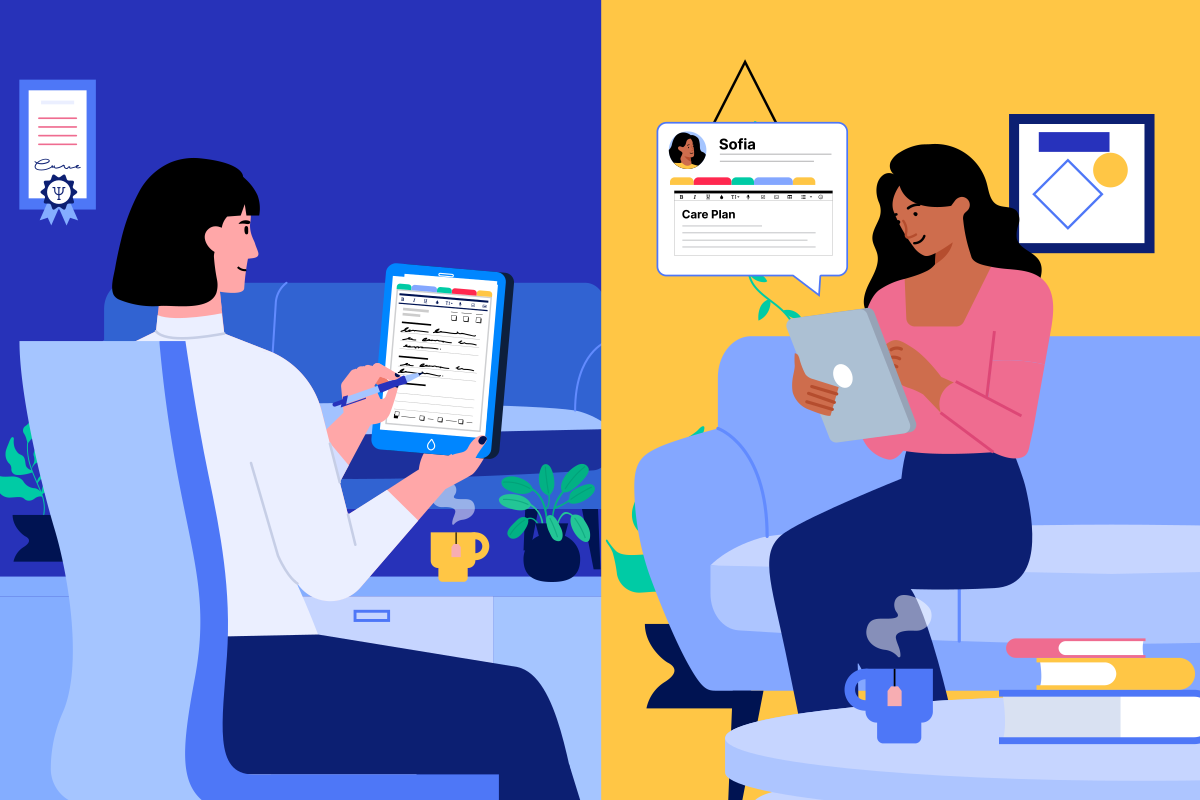
Trust and communication are vital for effective mental care. When clients trust their psychologist, they feel safe sharing key information that supports their care progress. Traditionally, verbal communication is used as the main means of connecting with clients. Research has found that written communication complements oral communication, building clients’ trust and driving adherence (Cromer et al., 2017; O’Neill et al., 2019; OpenNotes, 2014). A shared note is more tangible than a spoken conversation, which can be forgotten or misremembered. If a client has a written note, they can open it anytime for reference, using the summary or instructions to hold fast to their care.
Imagine you have a client named Ben who has been diagnosed with clinical depression. Ben finds it hard sharing information in visits, slowing his care progress. You notice Ben also has trouble recalling his care steps from memory, weakening his adherence. You want to help Ben as best you can, but find that verbal communication alone does not suffice. To help Ben feel at ease, you share a summary note with him at the end of each visit. You use the note as a communication tool, recapping and aligning on what was discussed in the visit, so Ben feels heard and understood. You also use the note to clarify next steps in his care journey, giving him a better understanding of his condition, progress and care plan. Between sessions, Ben refers to his written note to accurately recall his care steps, supporting adherence. Over time, you notice Ben becoming more engaged and comfortable in his sessions. He starts opening up to you and sharing information that is key to his treatment.
Notes sharing in mental health builds clients’ trust by improving communication as well as perceptions of transparency and respect. When a client reads a shared note, they can see that their psychologist has heard and understood them. Shared notes are also a tangible resource, which clients can rely on throughout their care journey. For instance, a client experiencing a panic attack will find it easier to read their relaxation care steps on a physical note and follow through, rather than struggle to recall them from memory while experiencing intense anxiety. In the same way a client has a script of positive thoughts at the ready to manage their panic attack, a shared note offers comfort and support, no matter where they are. Shared notes act as an anchor in care, simplifying and driving adherence.
Plato’s white paper, “The Collaborative Psychology Clinic”, shows you why and how to build clients’ trust through collaborative care and drive adherence as a result.
- In chapter 1, discover why note sharing matters in mental care. Find out why and how notes sharing builds trust and acts as an anchor in care. Review key academic research by psychologists, professors, and researchers from Beth Israel Deaconess Medical Center, VA Portland Health Care System, Harvard Medical School, and more.
- In chapter 2, you’ll be guided on how to share your first note. Find out what types of notes you can share based on your clients’ needs and how to securely share notes directly from your EMR.
- In chapter 3, it’s time to make notes sharing a part of your organisation. Discover how to manage shared notes at your clinic using best practices, so your clients and clinic make the most of notes sharing.
Table of Contents
CHAPTER 1
Why Share Notes?
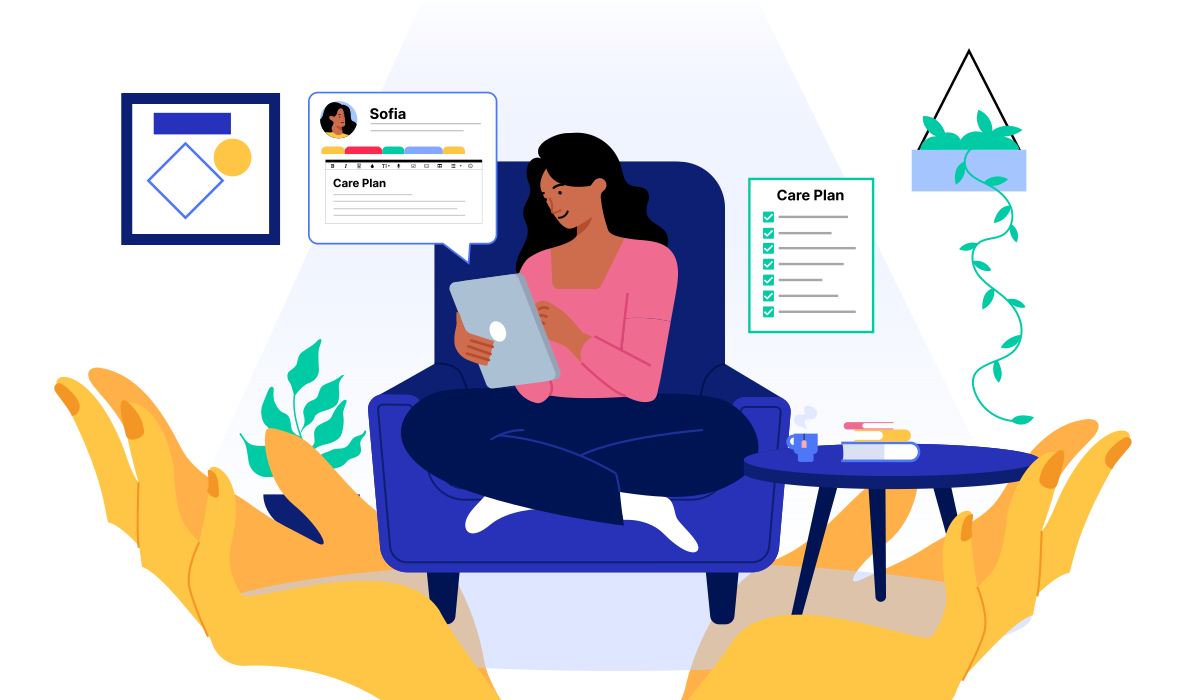
Imagine a client who is still in the process of trusting their psychologist as their confidant. The client finds it hard sharing key personal information in visits, slowing their care progress. To build trust, their psychologist shares a summary note with them, recapping what was discussed in the visit. Their psychologist’s attentiveness and transparency conveyed through the note makes the client feel heard, understood, and respected, strengthening their trust in their provider. Between sessions, the client’s shared notes provide a sense of comfort and act as an anchor in their care. Instead of recalling conversations from memory, which are oftentimes inaccurate or forgotten, the client refers to their shared notes, which are tangible and accurate. At any time, they can read their notes to recall key points discussed in visits and their care steps. With shared notes, the psychologist’s care extends beyond the clinic, making the client feel continuously supported, even between sessions.
In this first chapter, you’ll learn how note sharing adds value in the mental care context. Discover why and how shared notes build clients’ trust and provide an anchor in their care throughout the mental health journey. Review the impacts of shared notes, based on key academic research by providers who already share notes with their mental health patients and clients.
Notes sharing builds trust
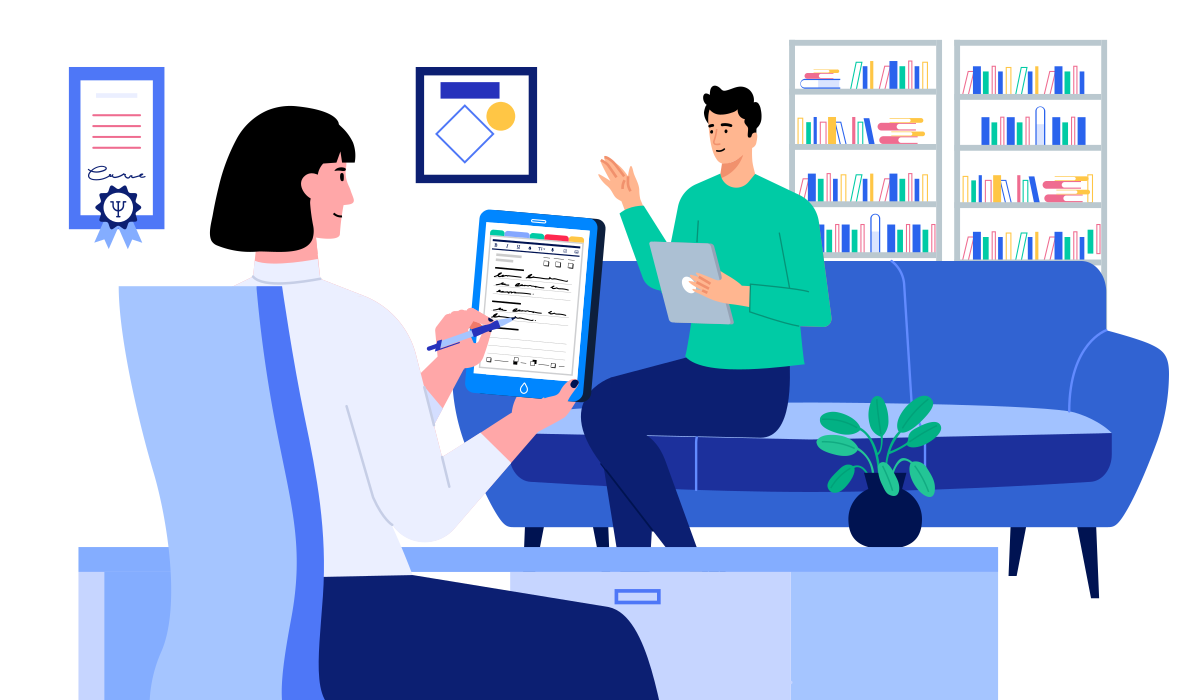
Shared notes fosters clients’ trust by improving communication, as well as perceptions of transparency and respect. Trust is key in the mental care process. At visits, clients share intimate and personal details as part of their treatment; without trust, clients find it harder opening up to their psychologist, creating a barrier in their mental care.
In a study on the impact of notes sharing on patients’ trust, Cromer et al. (2017) found that shared notes conveyed perceptions of transparency and respect that were key to building and maintaining trust in the patient-provider relationship. When notes accurately reflected what was discussed in the visit, it assured the patient that their provider was listening to them. This made the patient feel respected, heard, and understood, increasing patients’ trust in both their provider and the care process. Documenting the patient’s strengths and efforts, instead of just their diagnosis or symptoms, made them feel respected and seen holistically, likewise fostering trust. One patient in the study reported that the respect conveyed through shared notes made them feel as “not just a repeat from the last PTSD person [my provider] talked to, but an individual with PTSD.” In another study on shared psychotherapy notes by O’Neill et al. (2019), over half of the patients found their notes to be “very important” in helping them trust their mental care provider.
When psychologists share notes with their clients, it strengthens communication, mutual understanding, as well as perceptions of transparency and respect, all of which fosters trust in the client-psychologist relationship.
Shared notes act as an anchor in care
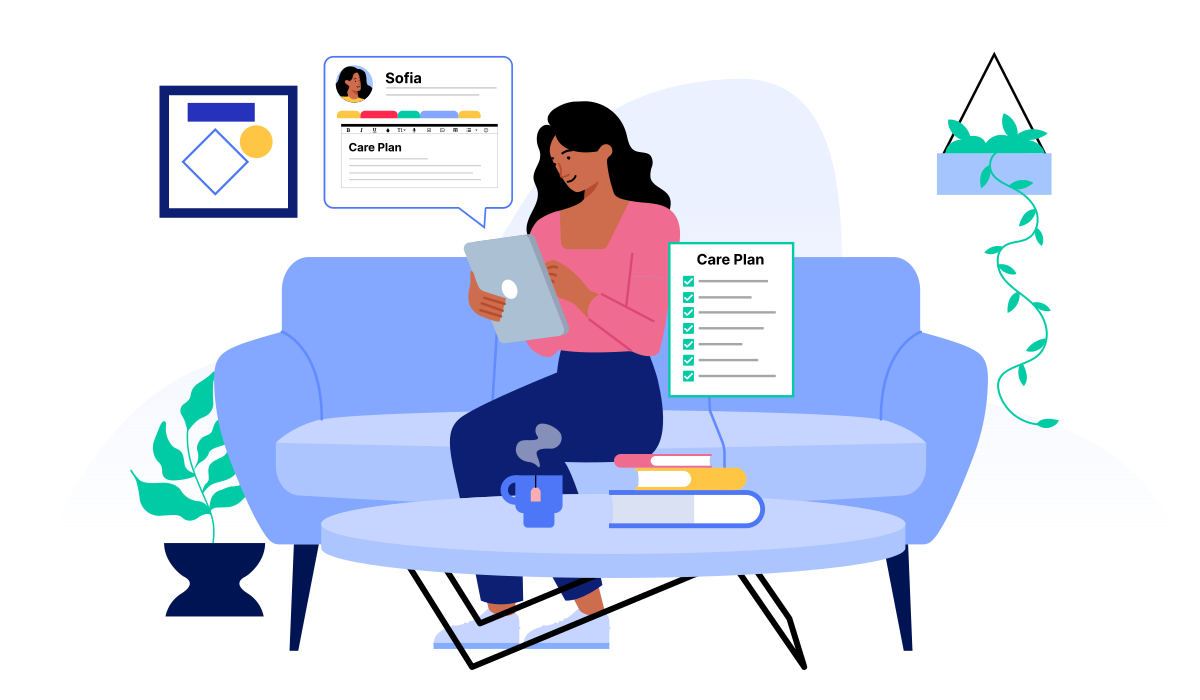
The mental care journey is challenging for clients. A shared note can be an anchor for a client, grounding them in their care by providing a concrete reference on care management. At a difficult moment, clients can read their notes to recall what was discussed in visits and their care steps. This written reference prevents clients from relying solely on their memory to recall key information. Studies have found that 40% to 80% of what is verbally communicated in visits is instantly forgotten or misremembered — more so if the client is stressed, anxious, or depressed. Nearly half of the data recalled by patients also tends to be incorrect (Anderson et al., 1979; Kessels, 2003, as cited in C. R. Blease, Walker, et al., 2020). Sharing notes, like care steps, gives clients an accurate and concrete reference to refer to, empowering them to take greater control of their care, and acting as an extension of their psychologist’s care beyond the clinic.
For example, in a study on shared psychotherapy notes, a mental health patient explained, “[M]y notes came in handy when I had a really bad breakdown. I walked through all of the steps that [my psychotherapist] taught me” (O’Neill et al. 2019, as cited in C. R. Blease, Walker, et al., 2020). At Beth Israel Deaconess Medical Center, patient Stacey Whiteman used her shared notes to effectively cope with her depression and anxiety, which were associated with her diagnosis of multiple sclerosis. The notes served as great reminders of what was discussed in her visits. Whiteman also used her notes to refer back to the agreed-upon care steps that she had to work on between her therapy sessions, extending her provider’s care beyond the clinic (OpenNotes, 2014). In the aforementioned study by O’Neill et al. (2019), over half of the participating patients considered their open therapy notes as “very important” in not only feeling more in control of their care, but also taking better care of themselves.
When clients rely solely on their memory for their care steps, the information they recall may not always be accurate, affecting adherence. What’s more, recalling care steps from memory in stressful or challenging times is even more difficult for clients. With shared notes, clients have a written reference they can refer to that acts as an anchor in their care, supporting adherence.
Worried about sharing notes?
Despite the benefits of note sharing, psychologists are often hesitant to start, perhaps because note sharing is not considered traditional practice. Psychologists worry their clients will feel anxious, upset, or confused over the contents of their notes, slowing their care progress. However, multiple studies have found that this rarely occurs when notes are shared using best practises (see chapter 3). More often than not, the benefits of notes sharing outweigh the expected risks (C. Blease, Kharko, et al., 2021).
For example, Beth Israel Deaconess Medical Center (BIDMC) was the first private hospital to start sharing mental health notes with their patients in 2014. Despite facing similar initial concerns, BIDMC saw few of the aforementioned risks materialise post implementation. By 2019, BIDMC had 4,000 patients with access to their therapy notes.
After 5 years of sharing mental health notes with their patients, BIDMC found that shared notes not only improved trust in the patient-provider relationship by strengthening communication, but also empowered patients to take greater control of their care by providing a concrete reference to drive adherence. O’Neill (2019) reported that after 5 years of sharing mental health notes with patients at BIDMC:
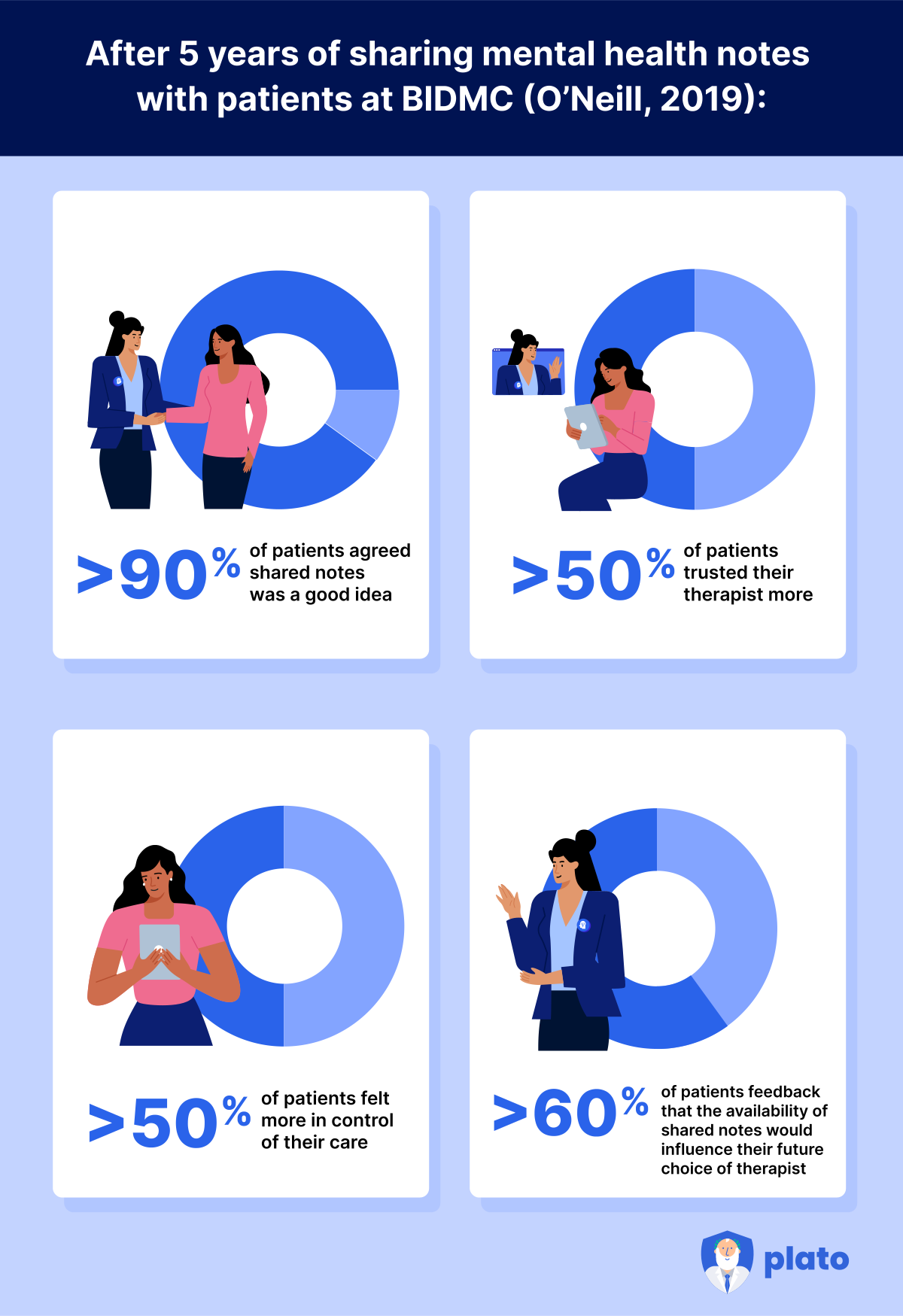
- >90% of patients agreed shared notes was a good idea
- >50% of patients trusted their therapist more
- >50% of patients felt more in control of their care
- >60% of patients feedback that the availability of shared notes would influence their future choice of therapist
- Few patients felt judged (<15%), worried (<10%), or offended (<5%) by their notes
- No therapist or patient asked to stop notes sharing, and nearly all have since joined the OpenNotes movement
BIDMC is not the only healthcare institution that has reported positive results from sharing mental health notes with patients. Since 2013, approximately 1.5 million veterans at the US Department of VA have been able to read their clinical notes, including those related to mental health (Sun, 2014). In a study on veterans’ access to their shared mental health notes, Cromer et al. (2017) found that when patients’ mental health notes were consistent with what was discussed in visits and highlighted the patient’s strengths, it helped foster trust in the patient-provider relationship. A pilot study by Peck et al. (2017) on patients’ access to their electronic psychiatric records found similarly positive results. Patients perceived shared notes to be helpful, neither negatively affecting them nor their relationship with their mental care providers. Today, 30 healthcare systems in the United States (OpenNotes, 2020) and 17 of 21 regions in Sweden (Bärkås et al., 2021) share mental health notes with their patients and clients.
When mental health notes are shared carefully and according to best practices (see chapter 3), benefits include the following (C. Blease, Kharko, et al., 2021; C. R. Blease, Walker, et al., 2020; Cromer et al., 2017; Denneson et al., 2018; O’Neill et al., 2019; OpenNotes, n.d.-a):
- Improved trust, communication, and mutual understanding between clients and their psychologist.
- Clients better understand their mental health condition, care plan, and reason for treatment; accurately recall their care steps and what was discussed in visits; feel empowered to take greater control of their care, experience improved care adherence and outcomes.
Since different clients have different needs, the type of note you share matters. But how would you know what to share? In chapter 2, you’ll learn how to decide what to share based on your clients’ needs and how to securely share these notes — directly from your EMR.
CHAPTER 2
Chapter 2: What Should I Share?
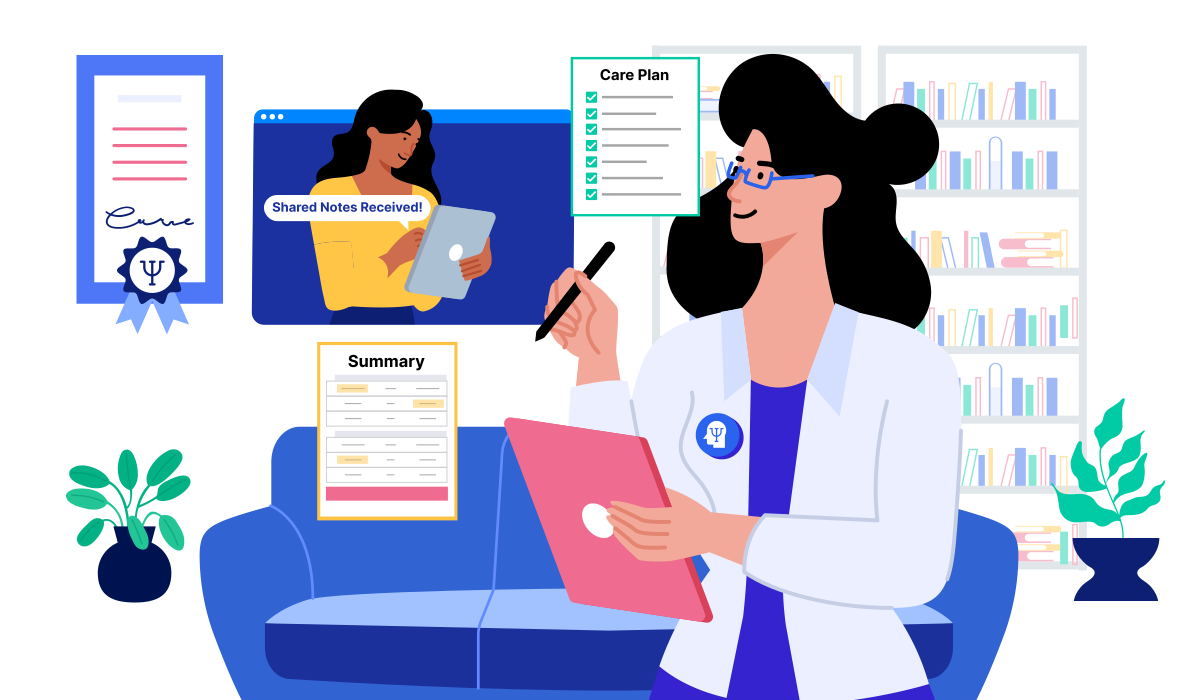
Different types of notes cater to different client needs. A client with diabetes may find a summary visit explaining their condition more useful than a shared care plan, while the opposite could be the case for a client with anxiety, who needs more help with their relaxation care steps.
In this chapter, you’ll first be introduced to four common ways in which note sharing benefits clients. For each scenario, you’ll discover the types of notes you can consider sharing. This will help you better understand what to share for your first note, based on your client’s needs. Then, learn how to share notes easily and securely, directly from your EMR.
When thinking about note sharing, it’s often best to start by empathising with the reader: your client. Imagine a client who’s been diagnosed with generalised anxiety disorder. Their boss has put them in charge of an important project at work. Instantly, the thought of being the lead fills them with worry. They fear they might fail. As defeating thoughts crowd their mind, their breathing gets heavier and heart beats faster. They head outdoors for fresh air. Using their mobile phone, they pull up the care steps their psychologist has shared with them. They read and apply their recommended breathing exercises and shared visualisation techniques, feeling calmer. At night, they continue adhering to their shared care plan by journaling their thoughts for the day. In their next visit, they share some of the thoughts they had penned in their journal with their psychologist, resulting in a more productive and fruitful discussion.
Shared notes serve as a concrete reference that clients can rely on at any time, strengthening trust in their provider and acting as an anchor in their care. Notes that align with visit discussions make clients feel heard, understood, and respected, fostering trust (Cromer et al., 2017). Shared notes also extend a psychologist’s care beyond their clinic, so clients can reference what was discussed in visits, driving adherence and grounding them in their care (C. R. Blease, Walker, et al., 2020; OpenNotes, 2014).
The type of note to share with your client will depend on their needs. While clients’ requirements may vary greatly, the four common scenarios below will help you better understand how to share notes of value to your clients.
Already using Plato?
Types of notes to share
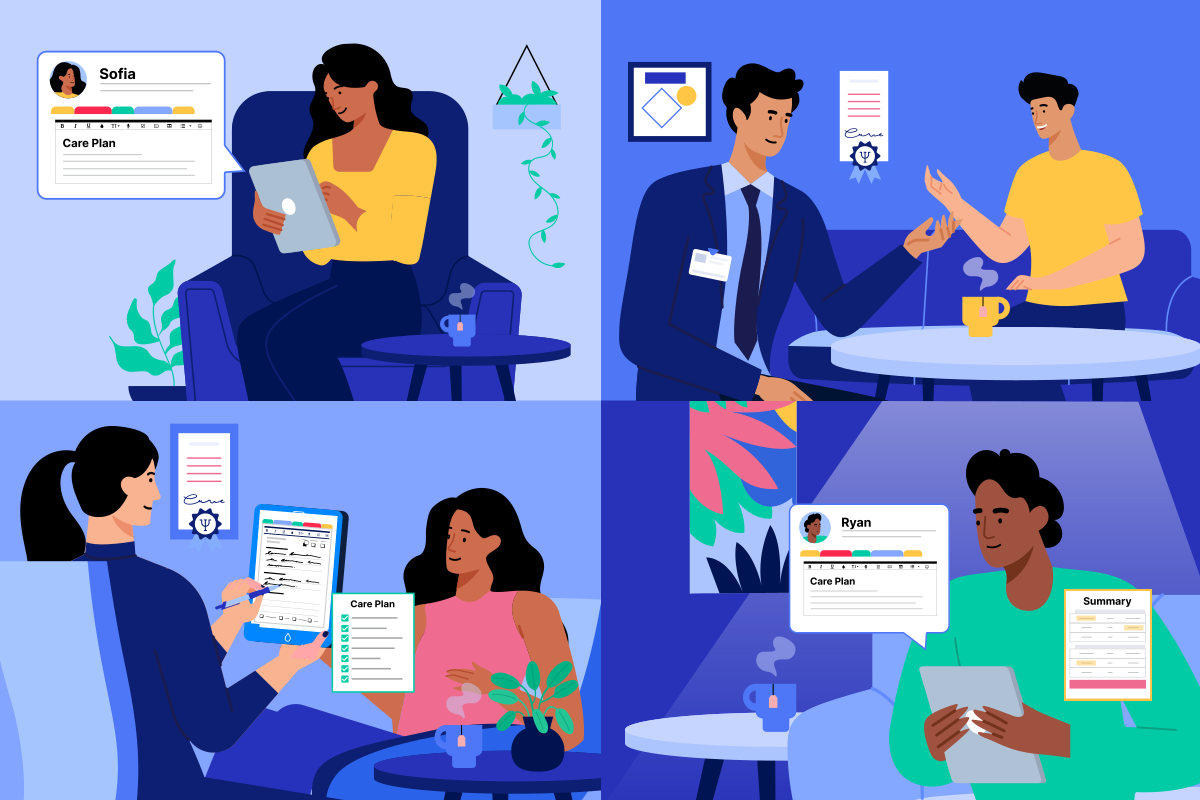
When deciding on the type of note to share with your client, it’s important to consider their needs and how the note will benefit them. Below are four common ways shared notes could help clients, and the types of notes to consider sharing in each case: improving care adherence; encouraging productive discussions; managing the impacts of chronic disease on their mental health; and overcoming substance abuse.
1) Improve care adherence
Clients may not always remember their care steps, especially if they felt stressed, anxious, or depressed during the visit (Kessels, 2003, as cited in C. R. Blease, Walker, et al., 2020). Accurately recalling care steps from memory is challenging at the best of times — stress can worsen recollection. When a written plan is shared with a client, the burden of recollection is alleviated. More than that, shared care plans act as an anchor for clients — a reference point they can double check when needed (C. R. Blease, Walker, et al., 2020).
Types of notes to share: Care plans (e.g. breathing, visualisation, or journaling techniques to help your client manage their mental care)
2) Promote richer dialogues
Some clients are hesitant to share information in visits, slowing their care progress. Note sharing helps foster clients’ trust by improving communication and conveying perceptions of transparency and respect. For example, sharing summary notes that accurately reflect what was discussed in the visit makes the client feel heard, respected, and understood. Clients also gain a better understanding of their condition, progress and care plan from reading their notes, increasing their care engagement and trust in their psychologist (C. R. Blease, Walker, et al., 2020; Cromer et al., 2017). Clients who trust their psychologist feel safe and comfortable sharing key information that’s vital to their care progress.
Types of notes to share: Visit summary (e.g. summary of the client’s condition, strengths and efforts, care progress, or next steps in their care journey)
3) Manage long-term chronic illnesses
The daily demands of managing chronic conditions, such as diabetes, can be stressful for clients. Providing mental health support is vital, since even a mild mental disorder lowers a client’s motivation to seek medical care and adhere to their treatment. This exacerbates not only their physical health, but also their mental health (J. Turner, 2000). Shared summary notes help clients better understand their mental and physical health, as well as the connection between the two. Research by Zanaboni et al., (2020) found that for patients with complex, long-term, or chronic illnesses, shared notes were especially useful in helping them better understand their condition. Shared care plans also help clients remember and maintain healthy coping skills, so they effectively manage the impacts of their chronic condition on their mental and emotional well-being.
Types of notes to share:
- Visit summary (e.g. summary of the client’s condition, strengths and efforts, care progress, or next steps in their care journey)
- Care plan (e.g. healthy coping skills to manage the impacts of their chronic condition on their mental and emotional well-being)
4) Overcome substance abuse
Clients who abuse drugs or alcohol are often lectured, making them less receptive to real-time discussions about this behaviour. Shared notes give clients the time and space to read their psychologist’s assessments and recommendations in private, without the need to be defensive (Kowalczyk, 2014). Psychologists can use shared notes as a communication tool to get through to clients experiencing substance abuse. For instance, sharing summary notes of what was discussed in visits helps clients better understand their condition, behaviours, and motivations behind their substance abuse. A shared care plan could also help clients manage the root cause of this behaviour. For example, if a client drinks alcohol due to stress, his care plan could comprise not only healthy coping techniques to manage stress, but also care steps to avoid alcohol consumption.
Types of notes to share:
- Visit summary (e.g. summary of the client’s condition, strengths and efforts, care progress, or next steps in their care journey)
- Care plan (e.g. care steps to overcome their substance abuse, including how to manage setbacks in their recovery; healthy coping techniques to manage the root cause of their substance abuse, e.g. stress)
Now that you’ve been introduced to different types of notes, how do you share them at your practice? Plato lets psychologists share notes securely and easily, without leaving their EMR.

Note sharing should not take your time away from client care. Using a different system from your EMR to share summaries or care plans is cumbersome. With Plato, you can share notes directly from your EMR.
Plato is your psychology clinic’s Operating System, giving you everything your practice needs on one platform. This brief overview below shows you how notes can be shared in Plato, without leaving your EMR.
If you already use Plato, here’s how to set up note sharing in less than 5 minutes.
New to Plato? We’d love to show you firsthand how note sharing works: book a demo.
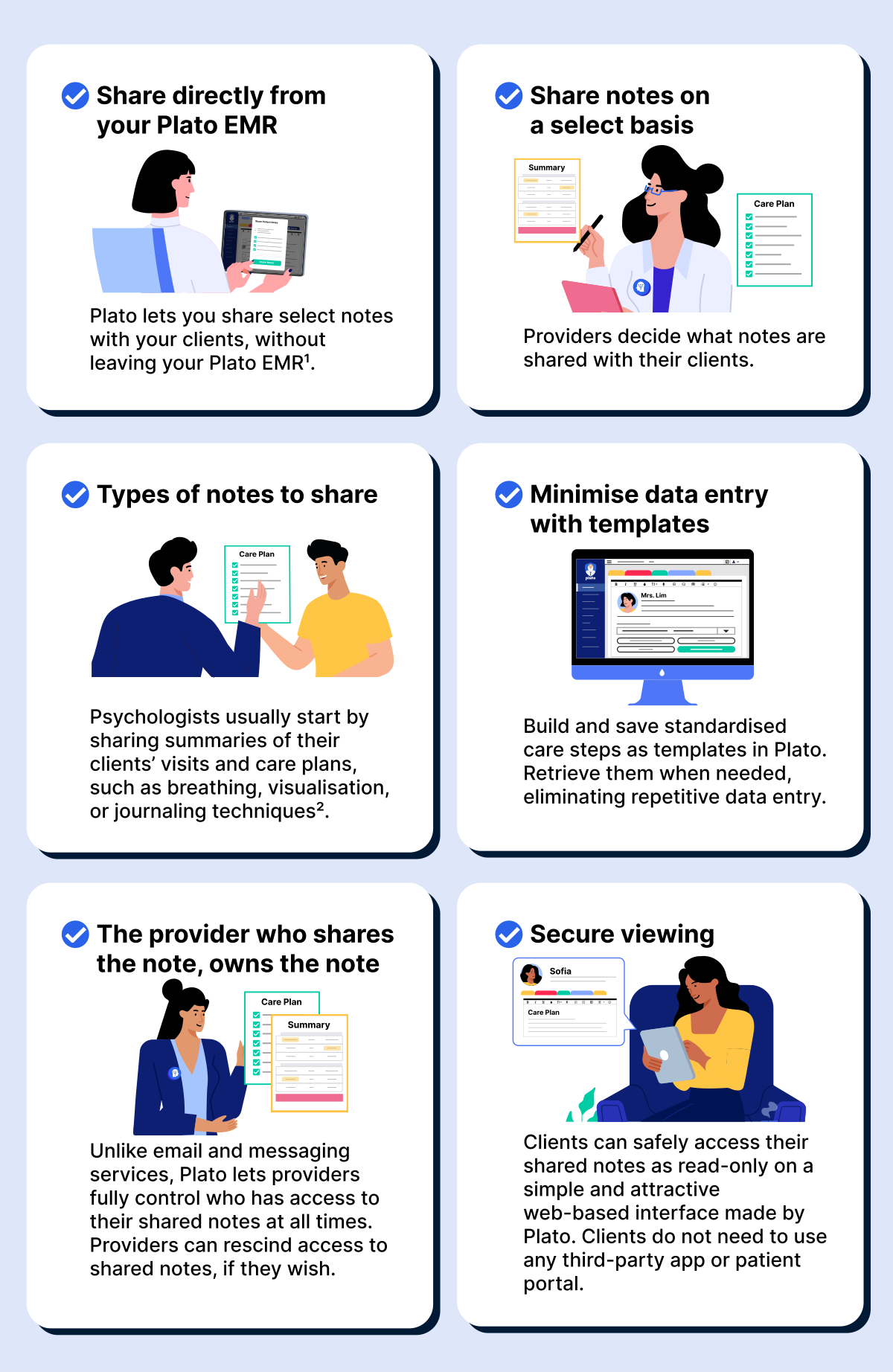
¹ Plato’s EMR - Configurable. Integrated. Automated.
² Breathing, visualisation, and journaling techniques.
Share your first note in Plato
Now that you know how to share notes, it’s time to make it a part of your organisation. In chapter 3, we’ll look at note sharing best practises, so both you and your clients make the most of shared notes at your practice.
CHAPTER 3
Make Notes Sharing a Part of Your Organisation
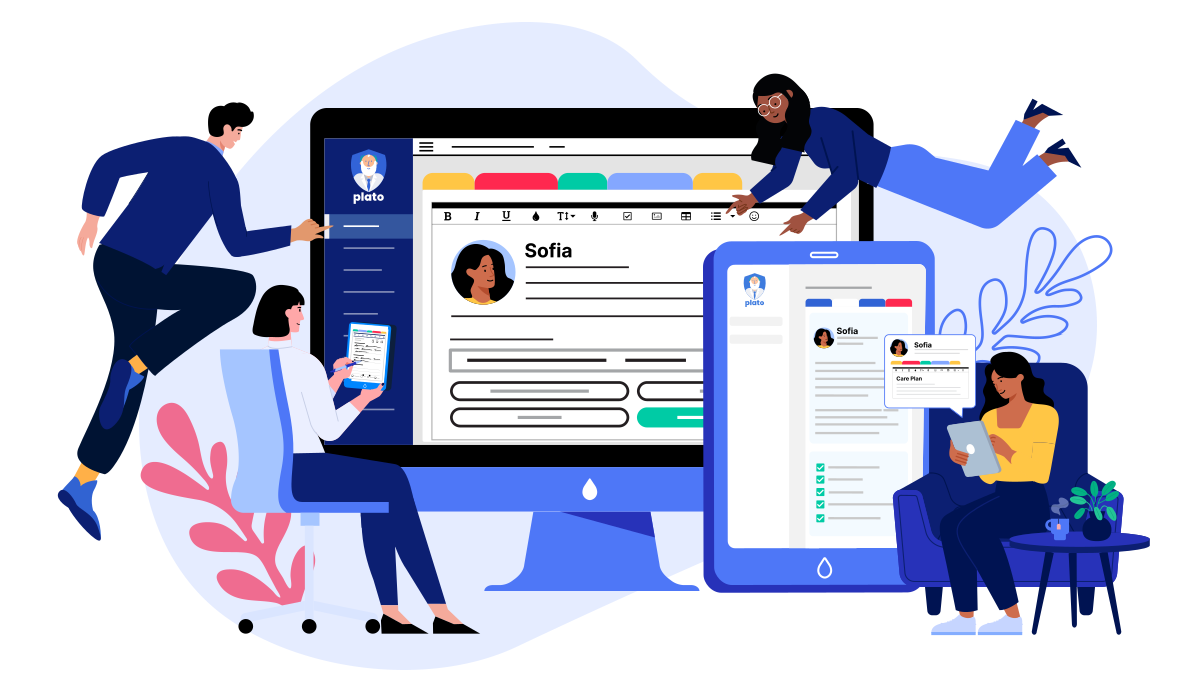
Are you ready to share notes with your clients? Before you start, it’s important to set the right protocols and policies to manage shared notes at your practice. This will help both your clients and clinic make the best use of notes sharing.
Step 1: Educate staff
Why share notes? Explain the purpose and benefits of sharing notes for clients and your clinic team (Miralles et al., 2021).
Example: Pocket cards by OpenNotes.
Should you share notes with every client? Notes sharing benefits a wide range of clients in mental care. For example, a client with depression or anxiety may find it hard recalling their care steps. A shared care plan puts down these steps in writing, providing a tangible resource to support their adherence. On the other hand, a client who is experiencing stress due to their diabetes will find a shared summary note to be more valuable. By explaining the link between these two conditions in the note, the client is empowered to take greater control of their care.
It’s important to set a policy for your staff clarifying the types of clients to share notes with and the types of notes to share. This ensures that clients who stand to benefit get access to value-adding notes according to their needs, while clients who do not stand to benefit from shared notes stay safeguarded. For instance, staff should avoid sharing notes with victims of domestic violence as the victim’s partner may see the note, leading to potentially adverse effects for the client (Sun, 2014).
Why, when, where, and how much? When deciding if notes should be shared with clients, psychologists can use the “why, when, where, and how much” approach to manage notes sharing (Thom & Farrell, 2017).
- Why: Explore with your client why they are keen to read their notes. What are they hoping to learn? What might they fear reading?
- When: Practise caution by sharing notes only with clients who are clinically stable and who can safely read their notes at home.
- Where: Would it be more beneficial if the client reviews their notes in private or with their psychologist present?
- How much: Some notes should not be shared with clients, such as sensitive information about violent behaviour or substance use that have been obtained by a third party.
Who can create, share, and update notes? Set clear documentation standards (see Step 3) for all note creators. Will all staff who author notes be able to share notes by default? (Yu et al., 2017) In Plato, you can set access restrictions to control who can share notes.
Share notes in a timely manner. Set follow-up guidelines about sending invitations and reminders to clients to read their notes (AAN, n.d.).
Example: ‘Your New Note is Available’ by OpenNotes.
Address FAQs by staff. Clarify common questions posed by mental care providers. For instance, what should staff do if a client has questions about their note? Staff could invite the client to discuss their questions with their psychologist in the next visit, or teleconsult with their psychology nurse using PlatoConnect if it’s urgent.
Example: ‘Effects of Open Notes: FAQs for Clinicians’ by OpenNotes.
Step 2: Educate clients
Why share notes? Explain to clients the purpose and benefits of notes sharing, and how it can help them improve their care adherence and outcomes (C. Blease et al., 2021; Miralles et al., 2021).
Example: Pocket cards by OpenNotes. Consider adding a page on your clinic’s website explaining the benefits of shared notes. This could also help attract new clients to your practice.
Invite clients to read their notes. Improve client engagement and care outcomes by informing clients when their shared note is available (Mafi et al., 2016).
Example: ‘Your New Note is Available’ email invitation by OpenNotes.
Provide guidance on how to use shared notes. Help your clients maximise the benefits of their shared notes by teaching them how to use it.
Example: The U.S. Department of Veterans Affairs’ ‘R.E.A.D. Strategy’ helps patients get the most out of their mental health notes. Below is an adaptation of the ‘R.E.A.D. Strategy’ that psychologists can consider implementing at their practice:
- Step 1 - Reflect. Think about what you hope to learn. You may communicate your goal to your psychologist, so that both you and your provider can work towards this shared goal together. Remember to read your note in a comfortable environment that suits your learning or reading style.
- Step 2 - Explore. Take your time when reading your notes. Keep an open mind about what you are learning.
- Step 3 - Ask. Inform your psychologist if you wish to discuss or clarify any aspect of your shared note. If you want to learn more, ask your psychologist to recommend reading resources or trusted websites to avoid misinformation.
- Step 4 - Decide. It’s up to you whether you want to read your shared notes.
Address FAQs by clients. Clarify common questions posed by clients about notes sharing. For instance, many clients are keen to learn how to optimise their notes. Remind clients to read their notes post-visit to recall what was discussed and their care steps.
Example: ‘Reading Your Notes: FAQs for Patients’ by OpenNotes.
Manage clients’ expectations. Help clients manage their expectations about the contents and impacts of shared notes, including possible areas of friction or frustration. Let clients know they could potentially feel upset by what they read and how to go about managing such emotional responses (see ‘Create a plan’ below). Reassure clients that notes’ contents are not judgmental, especially where substance use and personality disorders are involved (C. Blease et al., 2021).
Create a plan. Discuss with your client about what to do if they ever feel worried, upset, or confused by their notes’ contents. However, this rarely occurs when psychologists engage clients in the note-taking process, such as documenting only what has been discussed in visits, so as to minimise any confusion and questions post-visit (See Step 3). Helping clients establish realistic expectations from the start is vital (OpenNotes, n.d.-a).
Emphasise support. Let your clients know that support is available to them should they choose to read their notes. Consider inviting clients to raise their questions directly about their shared notes with you (C. Blease et al., 2021).
Step 3: Set documentation standards
Engage clients in the note-taking process. Minimise questions post-visit by checking for your client’s understanding and accuracy about their note’s contents during the visit (Klein et al., 2016; OpenNotes, n.d.-a; University Hospitals, 2017).
Only document what’s been discussed. Shared notes should only include details that have already been discussed with the client during the visit. This prevents clients from feeling surprised, confused, or anxious about the contents of any shared note (Miralles et al., 2021).
Write easily understandable notes. Avoid using medical jargon or abbreviations that may confuse or be misinterpreted by clients. For example, use “short of breath” instead of “sob” (C. Blease et al., 2021; Klein et al., 2016).
Never oversimplify your notes. You could minimally adapt your notes to help clients with limited health literacy, but maintaining accuracy, objectivity, and truth for record-keeping is vital (C. Blease et al., 2021; Cruz, n.d.).
Focus on accurate, fact-based descriptions of behaviour. Avoid subjective, opinion-based, or assumption-based labels. For example, instead of writing “Mr. A is a known addict,” the psychologist could write, “Mr. A continues to drink two pints of vodka daily.” Descriptive language should not replace a definite diagnosis (Thom & Farrell, 2017).
Write positive, supportive, and balanced notes. Notes should be positive, supportive and give a balanced perspective (Klein et al., 2016). Documenting clients’ strengths and efforts have been found to foster trust in the client-psychologist relationship (Cromer et al., 2017; Veterans Affairs Research Communications, 2017).Psychologists can consider using a thesaurus approach for altering language in shared notes (O’Neill, 2019).
Helpful Resources:
Share notes in Plato
On a Final Note
Thank you for reading Plato’s whitepaper. We hope you’ve enjoyed “The Collaborative Psychology Clinic” by Plato.
Trust is vital in the mental care process. Notes sharing fosters clients’ trust by strengthening communication as well as perceptions of transparency and respect, so they feel safe sharing key information with you. But that’s not all — shared notes extend your care beyond the clinic, driving adherence for improved outcomes.
Want to share notes? Plato is the only platform you need: Book a Demo.
Already using Plato? We’d love to show you How to Share Your First Note.
References
AAN. (n.d.). Sharing Information Electronically With Patients. American Academy of Neurology. Retrieved 2021, from https://www.aan.com/tools-and-resources/practicing-neurologists-administrators/health-information-technology/electronic-health-records/notes-release-toolkit/
Anderson, J. L., Dodman, S., Kopelman, M., & Fleming, A. (1979). Patient information recall in a rheumatology clinic. Rheumatology, 18(1), 18–22. https://doi.org/10.1093/rheumatology/18.1.18
Bärkås, A., Scandurra, I., Rexhepi, H., Blease, C., Cajander, S., & Hägglund, M. (2021). Patients’ Access to Their Psychiatric Notes: Current Policies and Practices in Sweden. International Journal of Environmental Research and Public Health, 18(17), 9140. https://www.ncbi.nlm.nih.gov/pmc/articles/PMC8431356/
Blease, C., Torous, J., Kharko, A., DesRoches, C. M., Harcourt, K., O’Neill, S., Salmi, L., Wachenheim, D., & Hägglund, M. (2021). Preparing Patients and Clinicians for Open Notes in Mental Health: Qualitative Inquiry of International Experts. JMIR Mental Health, 8(4), e27397. https://mental.jmir.org/2021/4/e27397
Blease, C., Kharko, A., Hägglund, M., O’Neill, S., Wachenheim, D., Salmi, L., Harcourt, K., Locher, C., DesRoches, C. M., & Torous, J. (2021). The benefits and harms of open notes in mental health: A Delphi survey of international experts. PLOS ONE, 16(10), e0258056. https://www.ncbi.nlm.nih.gov/pmc/articles/PMC8513879/
Blease, C. R., Walker, J., Torous, J., & O’Neill, S. (2020). Sharing Clinical Notes in Psychotherapy: A New Tool to Strengthen Patient Autonomy. Frontiers in Psychiatry, 11. https://www.frontiersin.org/articles/10.3389/fpsyt.2020.527872/full
Cromer, R., Denneson, L. M., Pisciotta, M., Williams, H., Woods, S., & Dobscha, S. K. (2017). Trust in Mental Health Clinicians Among Patients Who Access Clinical Notes Online. Psychiatric Services, 68(5), 520–523. https://www.ncbi.nlm.nih.gov/pmc/articles/PMC5411285/
Cruz, J. S. (n.d.). Benefits of Sharing Notes With Patients. Today’s Geriatric Medicine. https://www.todaysgeriatricmedicine.com/news/ex_101416.shtml
Denneson, L. M., Chen, J. I., Pisciotta, M., Tuepker, A., & Dobscha, S. K. (2018). Patients’ Positive and Negative Responses to Reading Mental Health Clinical Notes Online. Psychiatric Services, 69(5), 593–596. https://doi.org/10.1176/appi.ps.201700353
Kessels, R. P. C. (2003). Patients’ memory for medical information. JRSM, 96(5), 219–222. https://www.ncbi.nlm.nih.gov/pmc/articles/PMC539473/
Klein, J. W., Jackson, S. L., Bell, S. K., Anselmo, M. K., Walker, J., Delbanco, T., & Elmore, J. G. (2016). Your Patient Is Now Reading Your Note: Opportunities, Problems, and Prospects. The American Journal of Medicine, 129(10), 1018–1021. https://doi.org/10.1016/j.amjmed.2016.05.015
Kowalczyk, L. (2014). Doctors’ notes on mental health shared with patients. BostonGlobe.Com. https://www.bostonglobe.com/lifestyle/health-wellness/2014/04/07/beth-israel-deaconess-mental-health-providers-share-visit-notes-with-patients/2nVs4SSYCzh2ABleJgbCYK/story.html
Mafi, J. N., Mejilla, R., Feldman, H., Ngo, L., Delbanco, T., Darer, J., Wee, C., & Walker, J. (2016). Patients learning to read their doctors’ notes: the importance of reminders. Journal of the American Medical Informatics Association, 23(5), 951–955. https://academic.oup.com/jamia/article/23/5/951/2379793
Miralles, P., DesRoches, C., & Brown, M. (2021). Sharing Clinical Notes With Patients. American Medical Association. https://www.ama-assn.org/system/files/2021-04/sharing-clinical-notes-with-patients-toolkit.pdf
O’Neill, S. [OpenNotes]. (2019, February 20). 5 Years of Sharing Mental Health Notes at BIDMC [Video]. YouTube. https://www.youtube.com/watch?v=e3riL-EYdt8&ab_channel=OpenNotes
O’Neill, S., Chimowitz, H., Leveille, S., & Walker, J. (2019). Embracing the new age of transparency: mental health patients reading their psychotherapy notes online. Journal of Mental Health, 28(5), 527–535. https://doi.org/10.1080/09638237.2019.1644490
OpenNotes. (n.d.-a). Open Therapy Notes. Retrieved 2022, from https://www.opennotes.org/mental-health-professionals/
OpenNotes. (2014). Mental Health Notes Empower Patients. https://www.opennotes.org/news/mental-health-notes-empower-patients/
OpenNotes. (2020). Mental Health Toolkit. https://www.opennotes.org/wp-content/uploads/2020/06/OpenNotes_Mental-Health_Toolkit.pdf
Peck, P., Torous, J., Shanahan, M., Fossa, A., & Greenberg, W. (2017). Patient access to electronic psychiatric records: A pilot study. Health Policy and Technology, 6(3), 309–315. https://www.sciencedirect.com/science/article/abs/pii/S2211883717300436
Sun, L. H. (2014). Boston hospital pilot gives patients electronic access to their therapists’ notes. The Washington Post. https://www.washingtonpost.com/national/health-science/boston-hospital-pilot-gives-patients-electronic-access-to-their-therapists-notes/2014/05/18/2d891bac-cfe5-11e3-a6b1-45c4dffb85a6_story.html
Thom, R. P., & Farrell, H. M. (2017). When and How Should Clinicians Share Details from a Health Record with Patients with Mental Illness? Journal of Ethics | American Medical Association. https://journalofethics.ama-assn.org/article/when-and-how-should-clinicians-share-details-health-record-patients-mental-illness/2017-03
Turner, J. (2000). Emotional dimensions of chronic disease. Western Journal of Medicine, 172(2), 124–128. https://www.ncbi.nlm.nih.gov/pmc/articles/PMC1070773/
University Hospitals. (2017). Writing Patient-Friendly Notes. https://www.opennotes.org/wp-content/uploads/2018/01/UniversityHospitals_TipsforWritingPatientFriendlyNotes.pdf
Veterans Affairs Research Communications. (2017). What happens when patients access their mental health providers’ notes? Medical Xpress. https://medicalxpress.com/news/2017-03-patients-access-mental-health.html
Yu, M. M., Weathers, A. L., Wu, A. D., & Evans, D. A. (2017). Sharing notes with patients. Neurology: Clinical Practice, 7(2), 179–185. https://www.ncbi.nlm.nih.gov/pmc/articles/PMC5669408/
Zanaboni, P., Kummervold, P. E., Sørensen, T., & Johansen, M. A. (2020). Patient Use and Experience With Online Access to Electronic Health Records in Norway: Results From an Online Survey. Journal of Medical Internet Research, 22(2), e16144. https://doi.org/10.2196/16144